

Islands destinationAruba IslandLeeward Antilles | Caribbean Sea
Last updated on 08/28/2026 at 08:11 PM
Located in the southern Caribbean Sea, off the coast of Venezuela, Aruba is a constituent country of the Kingdom of the Netherlands known for its white-sand beaches, turquoise waters, and sunny climate. Part of the Leeward Islands of the Lesser Antilles, it stands out for its contrasting landscapes, ranging from long palm-fringed beaches and windswept rocky shores to arid landscapes dotted with cacti.
With its beach resorts, restaurants, shops, and numerous water activities, Aruba has become a major Caribbean tourist destination. But beyond its tourism industry lies an island with a distinctive identity, shaped by Indigenous, European, and African influences, its Creole culture, and the laid-back lifestyle of its people.
White-sand beaches and turquoise waters
Beaches are one of Aruba's main attractions. The more sheltered west and south coasts generally offer calm, clear waters that are particularly enjoyable for swimming, snorkeling, and water activities. Eagle Beach, with its broad stretch of white sand and famous fofoti trees shaped by the trade winds and pointing toward the southeast, is one of the island's most iconic sites and is considered one of the world's most beautiful beaches.


Palm Beach, more lively, is home to many of the island's hotels, restaurants, bars, and water activities. Farther north, Arashi Beach and Malmok Beach are particularly popular with snorkelers thanks to their clear waters and easily accessible marine life close to shore. To the south, Baby Beach stands out for its shallow lagoon with calm waters, making it especially suitable for swimming.
Oranjestad and Aruban culture
Oranjestad, the capital of Aruba, is located on the island's southwestern coast, around Paardenbaai Bay. The city developed from the 18th century under Dutch administration and was officially named Oranjestad in honor of the House of Orange-Nassau. Its streets lined with colorful facades reflect the mix of Dutch, Caribbean, and Indigenous influences that have shaped the island's identity over the centuries. Today, the capital is home to numerous restaurants, bars, shops, and historic sites.

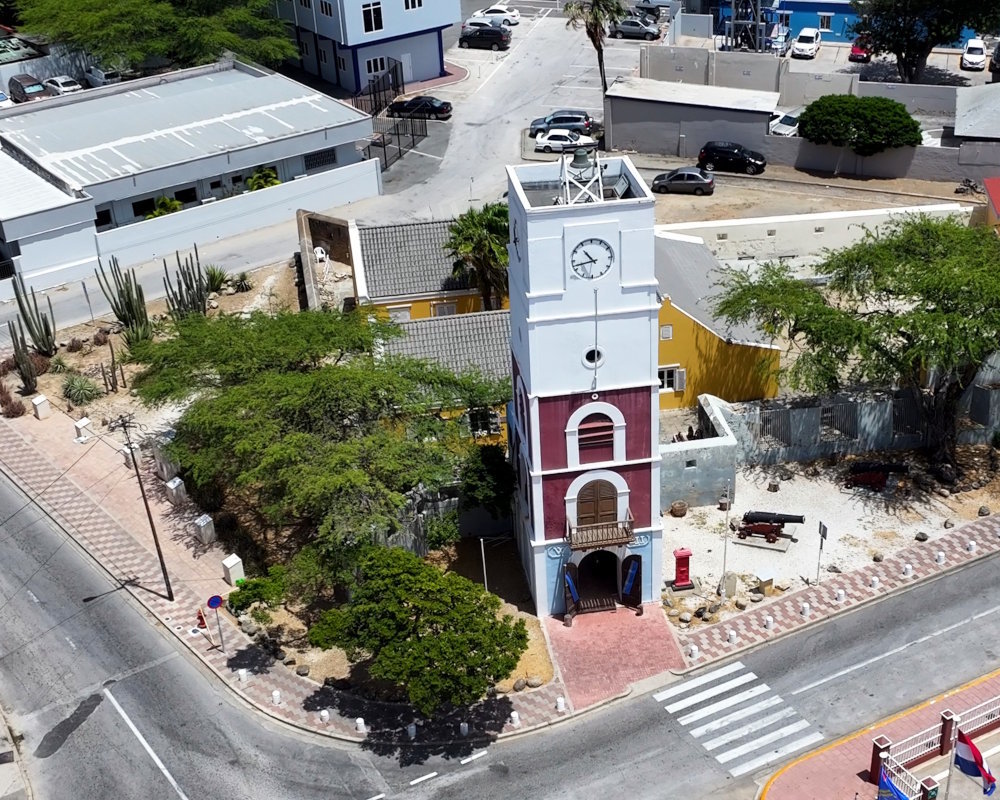
One of Oranjestad's main landmarks is Fort Zoutman, built in the late 18th century to protect the city and now considered the oldest surviving building in the capital. It houses the Aruba Historical Museum, while the Willem III Tower, built alongside it in 1868, once served as both a lighthouse and clock tower. Downtown also features numerous shops and jewelry stores, particularly along Lloyd G. Smith Boulevard, as well as restaurants, cafés, and bars.
Aruba's cultural heritage reflects a particularly rich history, shaped successively by Indigenous populations, Spanish colonization, Dutch rule, and influences from other parts of the Caribbean. Papiamento, the Creole language spoken on the island alongside Dutch, English, and Spanish, illustrates this cultural diversity.
An arid landscape of cacti and cliffs
The interior and northeastern parts of Aruba offer a very different side of the island from the tourist beaches on the west coast. The landscape is drier and more rugged, with cacti, rock formations, limestone cliffs, and vegetation adapted to low rainfall. This arid environment is one of the island's most distinctive features.
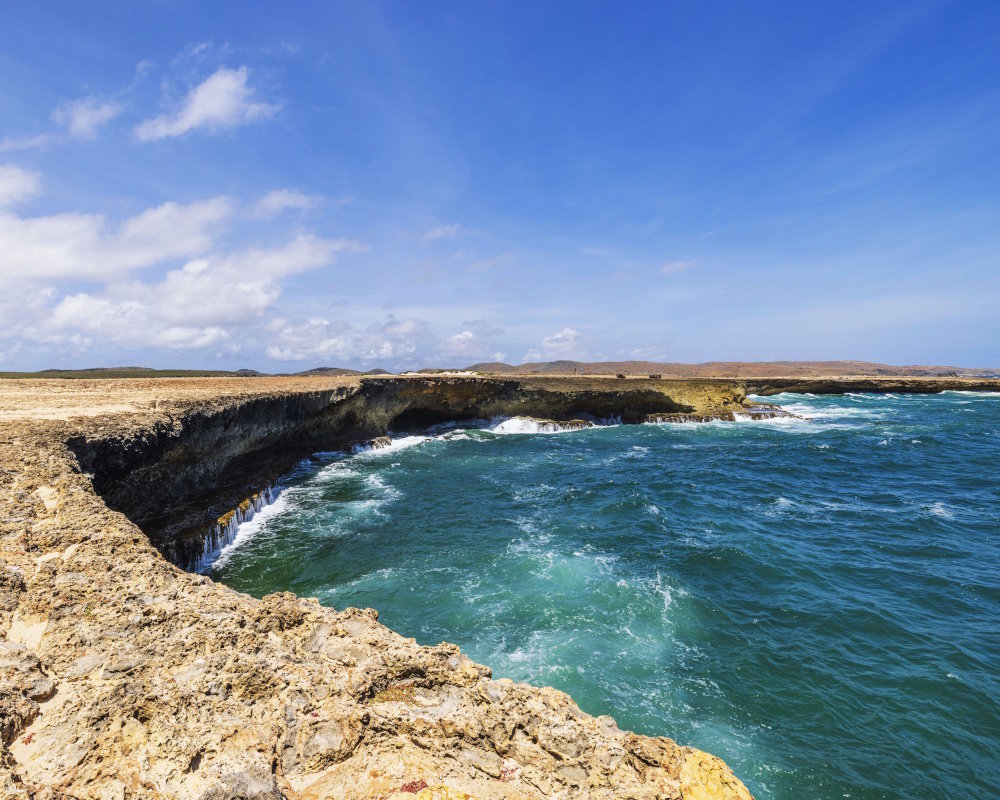
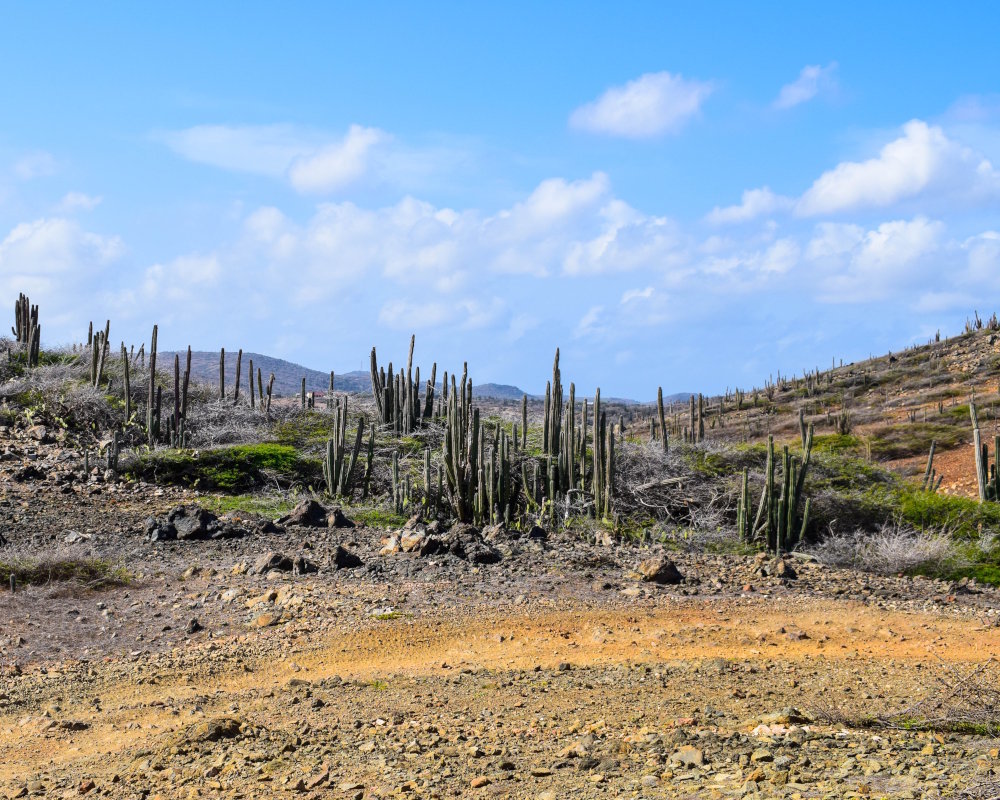
Arikok National Park protects nearly 20% of Aruba's territory and encompasses a wide variety of landscapes and natural sites. Here you can discover caves decorated with ancient rock art, remarkable geological formations, and trails leading to secluded coves and wild coastal landscapes. The park offers a chance to experience a very different side of Aruba from the large resort areas.
Discovering Aruba's underground world
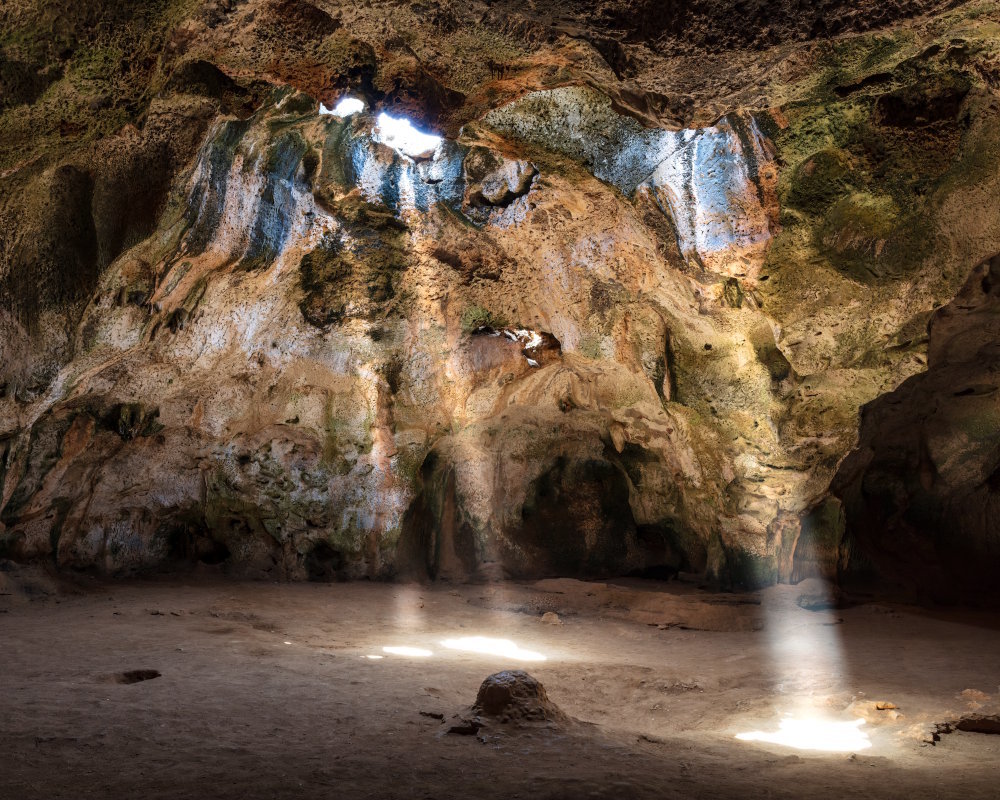
Aruba's caves offer another side of the island, far from its white-sand beaches and turquoise waters. Located mainly within Arikok National Park, they formed over time in the island's limestone terrain. Among the best-known caves open to the public, Quadirikiri Cave stands out for its large chambers naturally illuminated by openings in the ceiling, while Fontein Cave is particularly notable for its rock paintings and petroglyphs associated with Aruba's Indigenous populations.
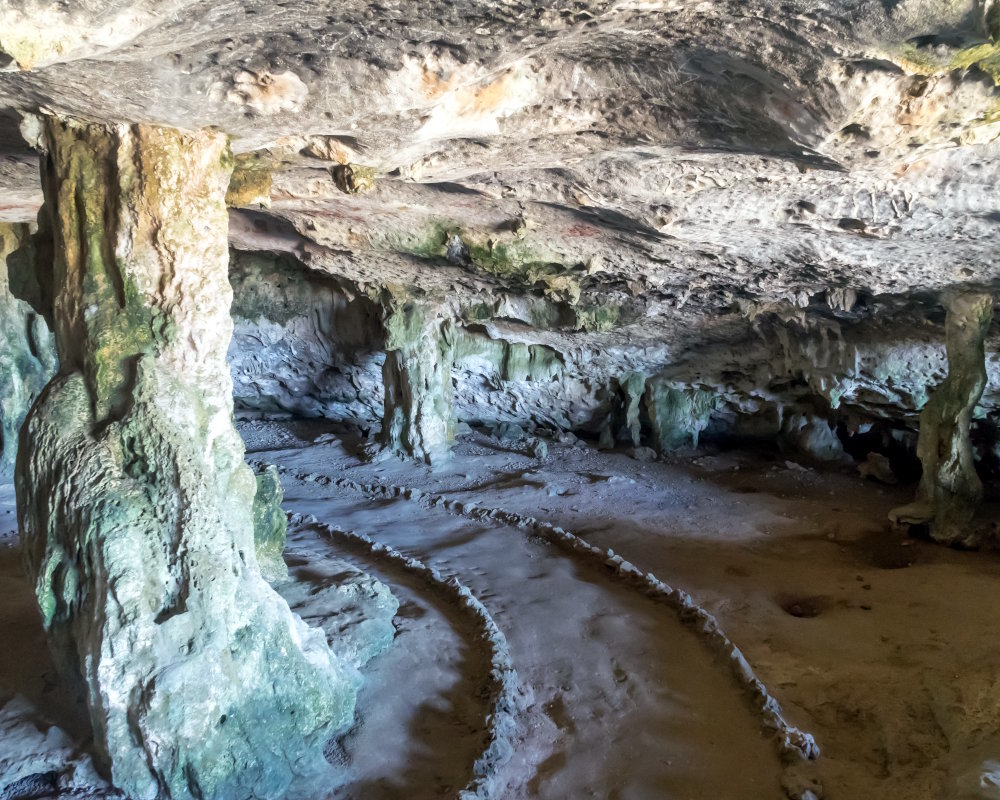
Huliba Cave, also known as the Tunnel of Love, is recognizable by its heart-shaped entrance and narrow underground passage, but it is permanently closed to the public to protect the bat population that lives there.
Unusual rock formations
In the heart of Aruba, the Ayo and Casibari rock formations offer surprising scenery amid an island with generally low-relief terrain. Massive boulders, sometimes stacked on top of one another, rise from an arid environment dotted with cacti and vegetation. At Ayo, developed trails allow visitors to walk among the rocks while discovering cacti and the island's characteristic vegetation.
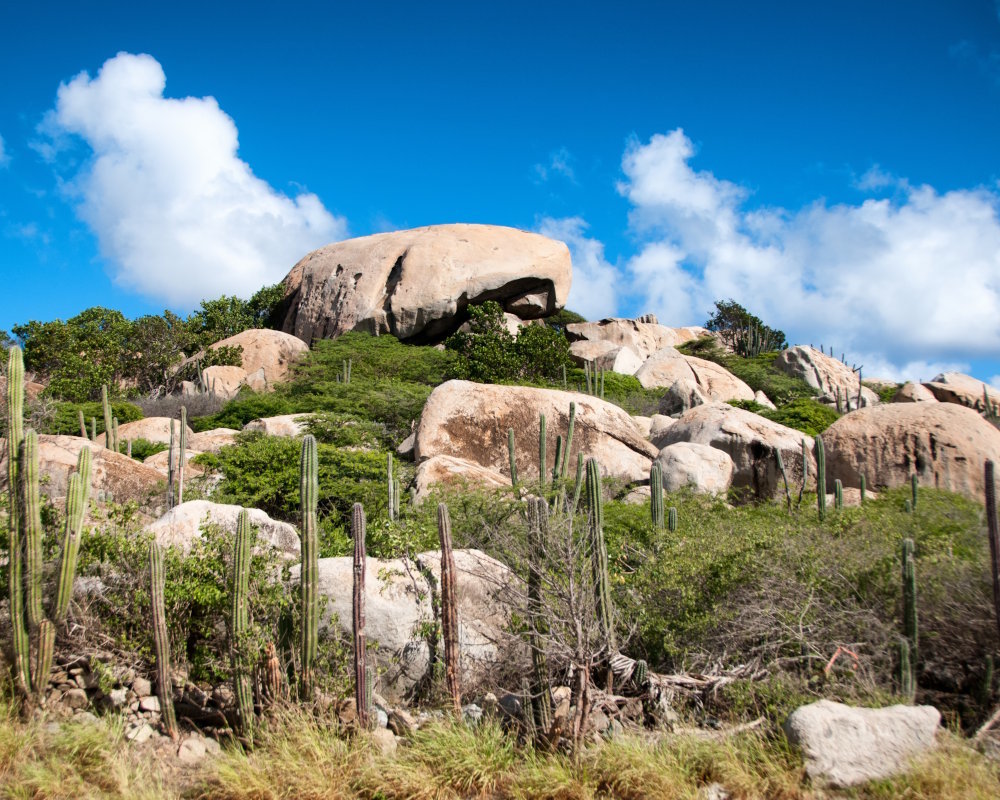
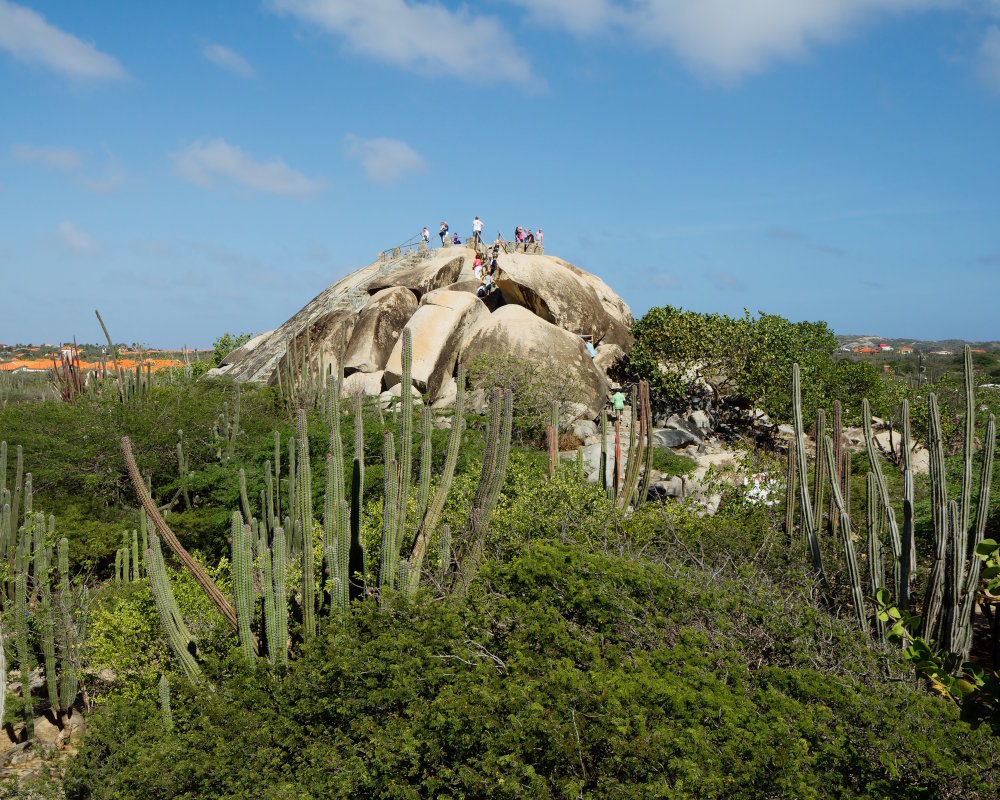
The Ayo formations are also historically significant, with several rock paintings and petroglyphs attributed to the Indigenous populations who once lived on Aruba. Located about a 10-minute drive from Ayo, the Casibari rock formations feature massive boulders equipped with stairways that allow visitors to reach their summits and enjoy panoramic views across much of the island.
A destination focused on the sea and recreation
Thanks to its clear waters and reefs, Aruba is a popular destination for scuba diving and snorkeling. Several sites offer opportunities to explore the underwater world just offshore, while the waters surrounding the island are also ideal for sailing, kayaking, paddleboarding, and various boat excursions.
Tourism now plays a central role in the island's economy and daily life. The Palm Beach and Eagle Beach areas are home to much of the island's tourist infrastructure, while Oranjestad also welcomes many visitors arriving on cruise ship calls. Despite this development, Aruba retains natural areas and arid landscapes that offer a glimpse of another side of the island.
Must-see attractions
Eagle Beach and its famous fofoti trees, Palm Beach and its lively atmosphere, and Baby Beach with its calm-water lagoon are among Aruba's must-see beaches. To discover the island's wilder landscapes, Arikok National Park offers trails, caves, rock formations, and coastal views.
At Oranjestad, take time to explore the colorful facades of downtown and Fort Zoutman, then head north to admire the California Lighthouse and the coastal landscapes in this part of the island. Snorkeling enthusiasts can also explore the waters around Malmok and Boca Catalina, both known for excellent snorkeling.
How to get there ?
To reach Aruba by air, the main gateway is Queen Beatrix International Airport, located near Oranjestad. The island is particularly well connected to the United States, with nonstop flights or one-stop connections from several major American cities. Air connections are also available to other destinations in the Caribbean, South America, Canada, and Europe.
Aruba is also a major cruise destination, and its busy cruise port in Oranjestad regularly welcomes ships calling at the island. Travelers arriving by air can then easily reach the main tourist areas and various attractions around the island by road.
Did you know ?
Aruba now derives most of its revenue from tourism, but the island also has a history closely linked to the oil industry and petroleum refining. Despite its small size, it has a vibrant cultural life, with numerous festivals and events taking place throughout the year.
Aruba's famous Natural Bridge collapsed naturally in September 2005 after withstanding thousands of years of erosion from waves and wind. A smaller natural bridge located nearby is still visible today.
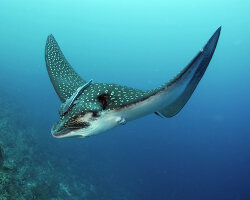
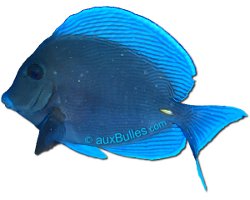
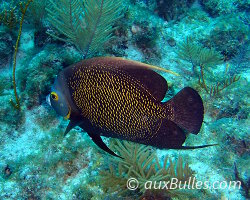
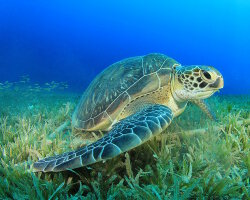
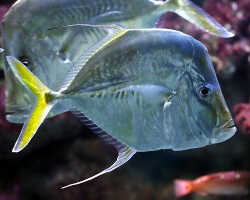
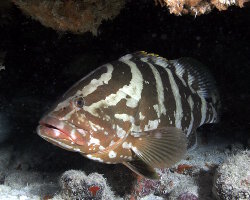
The marine species
The islands from caribbean Sea
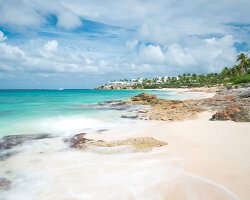
Anguilla island
Antigua island
Cuba island
Jamaica

Little Cayman island
Nevis island
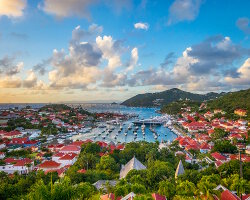
Saint Barthélemy island
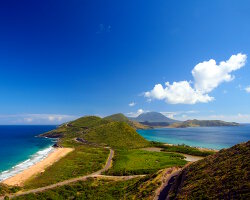
Saint Kitts island
Explore new islands

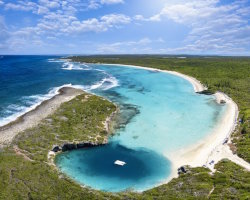
Our latestUpdates
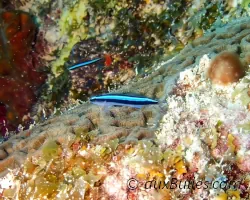
The neon gobyDiscover the neon goby (Elacatinus oceanops), a small western Atlantic reef fish known for its brilliant blue stripe and its role as a cleaner fish that removes parasites from other fish.Read more
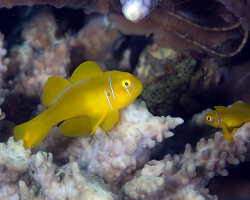
The poison gobyDiscover the poison goby (Gobiodon citrinus), a tiny reef fish with a bright yellow body and distinctive blue markings. It lives among branching Acropora corals in the tropical waters of the Indo-Pacific.Read more
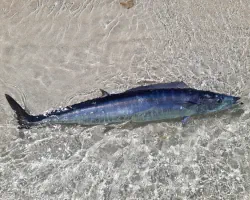
The wahooDiscover the wahoo (Acanthocybium solandri), a powerful pelagic predator found in tropical and subtropical oceans. Recognizable by its streamlined body and distinctive blue vertical stripes, it is a fast swimmer that feeds mainly on fish and squid.Read more
Photo of the Day

Anémone encroûtante
(Parazoanthus axinellae)
(Parazoanthus axinellae)
 Copyright © 2007-2026 auxBulles.com - All rights reserved. Legal notices.
Photo credits - Our partners