Sealife guideThe wahooAcanthocybium solandri
Last updated on 10/14/2026 at 11:47 PM
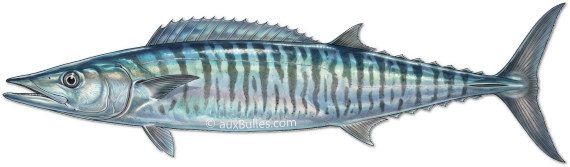
The wahoo (Acanthocybium solandri)
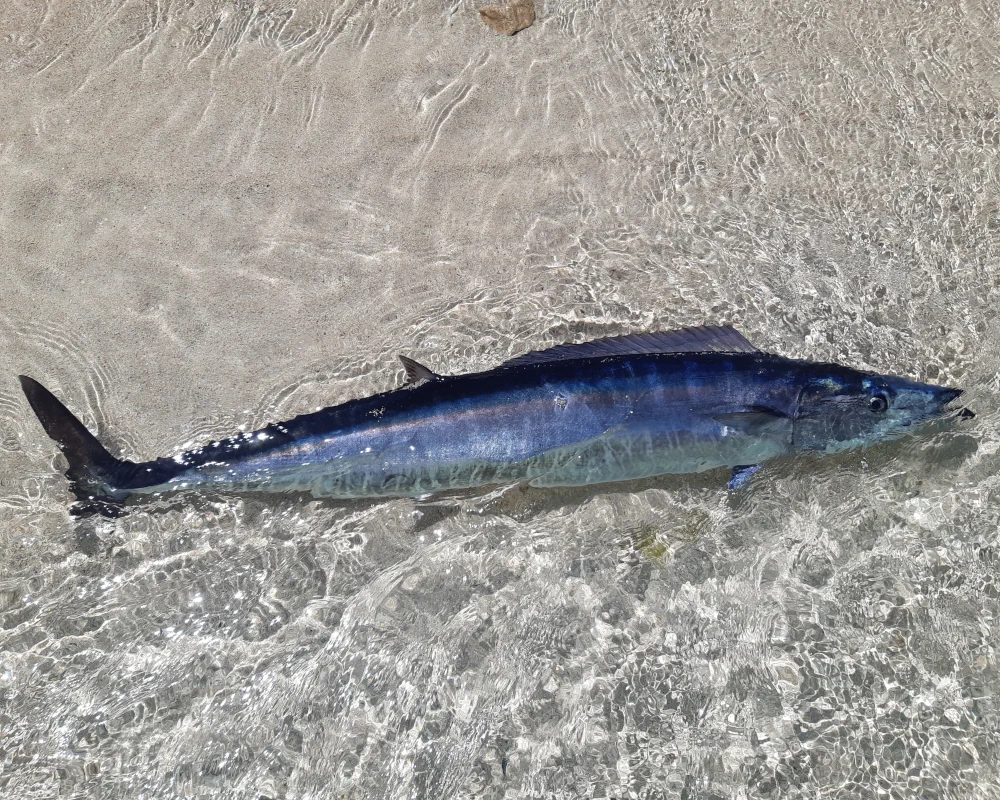
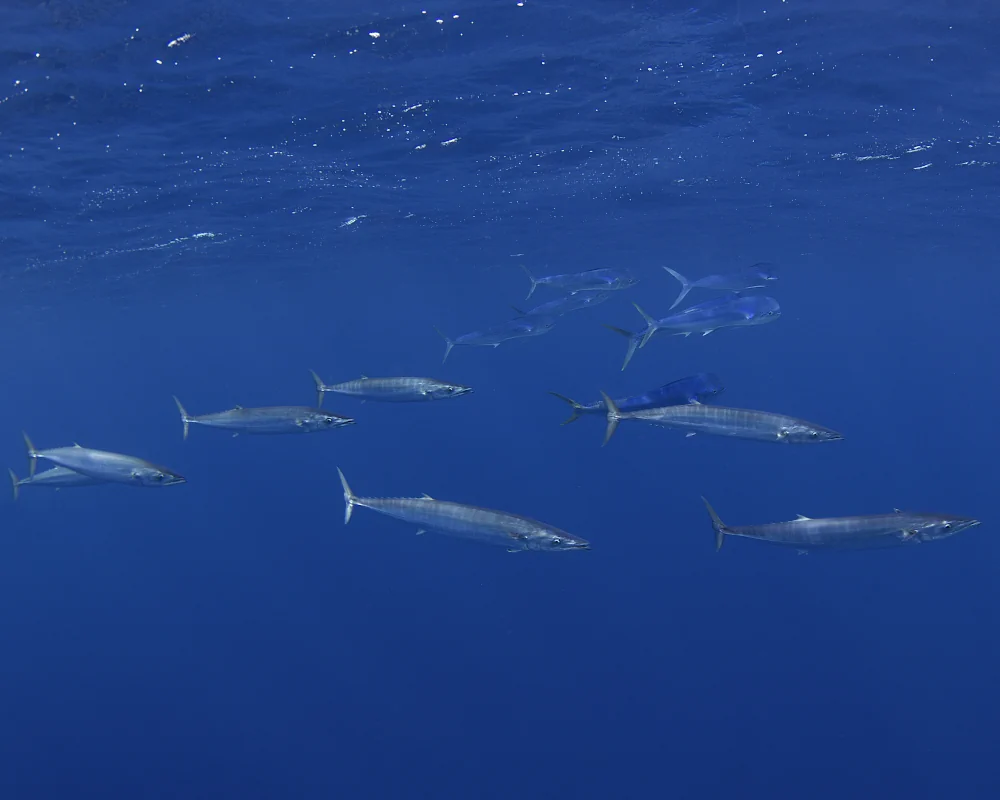
The wahoo (Acanthocybium solandri) is a large fish with a streamlined body and silvery flanks marked with blue bars. It inhabits warm ocean waters.
This pelagic fish generally lives offshore and hunts near the surface. A powerful swimmer, it feeds mainly on fish and squid and can grow to an impressive size.
Taxonomy
English names
Wahoo
French namesThazard bâtard
Spanish namesPeto
Scientific nameAcanthocybium solandri (Cuvier, 1832)
Description
The wahoo has a very elongated, streamlined body, a pointed snout, and a large mouth armed with sharp, triangular teeth. Its back displays iridescent blue-green hues, while its silvery flanks are marked with 24 to 30 cobalt-blue vertical bars extending below the lateral line. Its deeply forked tail fin and the small finlets behind the dorsal and anal fins contribute to its distinctive silhouette.
Wahoo generally average around 5.6 feet in length, but the largest individuals can reach 8.2 feet and weigh up to 183 pounds.
Geographic range
Wahoo inhabit tropical and subtropical waters of the Atlantic, Indian, and Pacific oceans, particularly the Caribbean Sea, the Gulf of Mexico, and waters around numerous oceanic islands.
Wahoo travel long distances across the oceans.
Habitat
Wahoo live in open water, generally offshore, but they also frequent the waters around islands and areas near underwater seamounts. They mainly swim near the surface, usually within the upper 40 feet of the water column, although they can descend to depths of around 65 feet.
They often live alone or form small, loosely scattered groups rather than large, tightly packed schools.
Diet
Wahoo are predators that feed mainly on pelagic fish and squid. They pursue their prey in open water and seize it with their powerful jaws lined with sharp teeth.
Their diet varies by region and according to prey availability, but fish make up most of their food.
Reproduction
Wahoo reproduce in open water. Fertilization is external: females release their eggs into the water, where males fertilize them. The eggs and larvae then develop in the pelagic environment without parental care.
Off
Florida and the
Bahamas, spawning occurs mainly in summer, between June and August. Females can spawn several times during this period, at intervals averaging about five days.
Did you know ?
Wahoo are extremely fast swimmers, capable of reaching speeds of around 47 mph over short distances. This speed allows them to chase fast-moving prey in open water.
The wahoo is listed as many other marine species within The
IUCN Red List of threatened species. The wahoo appears in the
IUCN Red List since 2011 within the category Least Concern !
Within the same family
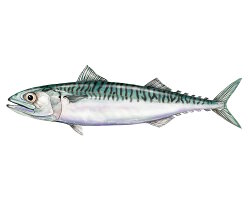
Atlantic mackerel
(Scomber scombrus)
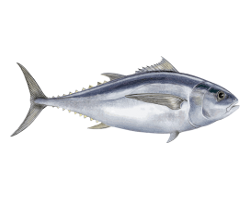
Bigeye tuna
(Thunnus obesus)
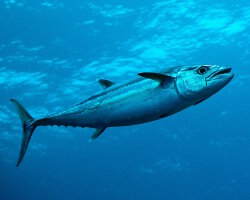
Dogtooth tuna
(Gymnosarda unicolor)
Indian mackerel
(Rastrelliger kanagurta)
Skipjack tuna
(Katsuwonus pelamis)
Yellowfin tuna
(Thunnus albacares)
Discover also
Black triggerfish
(Melichthys niger)
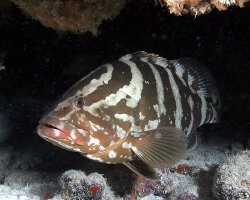
Nassau grouper
(Epinephelus striatus)
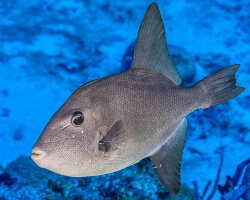
Ocean triggerfish
(Canthidermis sufflamen)
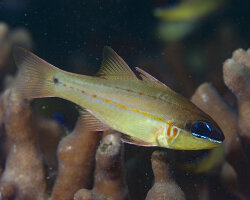
Seale's cardinalfish
(Ostorhinchus sealei)
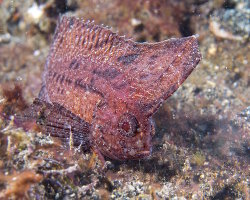
Spiny leaf fish
(Ablabys macracanthus)
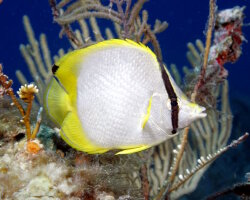
Spotfin butterflyfish
(Chaetodon ocellatus)
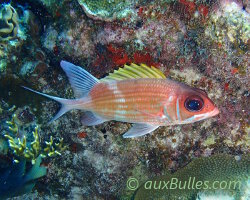
Squirrelfish
(Holocentrus adscensionis)
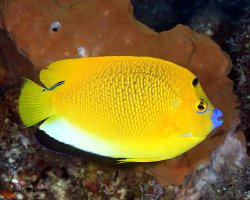
Three spot angelfish
(Apolemichthys trimaculatus)
The marine species
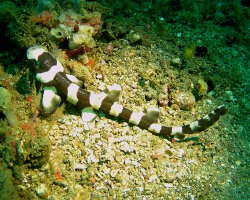
Brownbanded bamboo shark
(Chiloscyllium punctatum)
Caribbean giant barrel sponge
(Xestospongia muta)
Dugong
(Dugong dugon)
European seabass
(Dicentrarchus labrax)
Garibaldi damselfish
(Hypsypops rubicundus)
Indian sea star
(Fromia indica)
Picarel
(Spicara smaris)

Spinous squat lobster
(Galathea strigosa)
Best scuba diving destinations

A stop in Barcelona

A visit to the Getty Center

A walk down Ocean Drive

Abaco islands
Dive centers

'Les Ilets' dive center

Diverland Embudu

Noa dive center

Sea Dwellers Dive Center