

Islands destinationBrac IslandCroatia Islands | Adriatic Sea
Last updated on 09/10/2026 at 10:35 PM
Located off the coast of Split in central Dalmatia, Brac is the third-largest island in Croatia and one of the most iconic destinations in the Adriatic Sea. With stone villages, pine-fringed coves, vineyards, olive groves and rugged terrain, the island offers an especially diverse setting for exploring the Dalmatian coast at your own pace.
Brac is best known for Zlatni Rat, the famous beach in Bol whose shape changes with the winds and currents, but the island is much more than this spectacular landmark. From Supetar to Bol, from Pučišća to Škrip and into the wilder landscapes of the southern part of the island, you will discover a place shaped by stone, sea, history and a strong island culture.
An island between the sea, mountains and Dalmatian villages
A spectacular landscape
Brac has a much more rugged terrain than its Mediterranean island setting might suggest. Its highest point, Vidova Gora, reaches 2,559 feet above sea level and is the highest peak among the islands of the Adriatic. From the summit, the landscape opens up toward the sea and neighboring islands, offering some of the finest panoramas in Dalmatia.
The coastline alternates between pebble beaches, small coves, cliffs and sheltered bays. The inland landscapes are equally distinctive, with hills covered in Mediterranean vegetation, vineyards and pastures where goats are raised. This diversity makes it easy to combine swimming, hiking, village visits and excursions in a single day.
Character-filled villages
Supetar, the island's main port, is a convenient gateway for starting your exploration of Brac. Farther west, Bol enjoys a privileged location at the foot of Vidova Gora and facing the Adriatic, while Pučišća, on the northern coast, is renowned for its white stone quarries and traditional architecture.
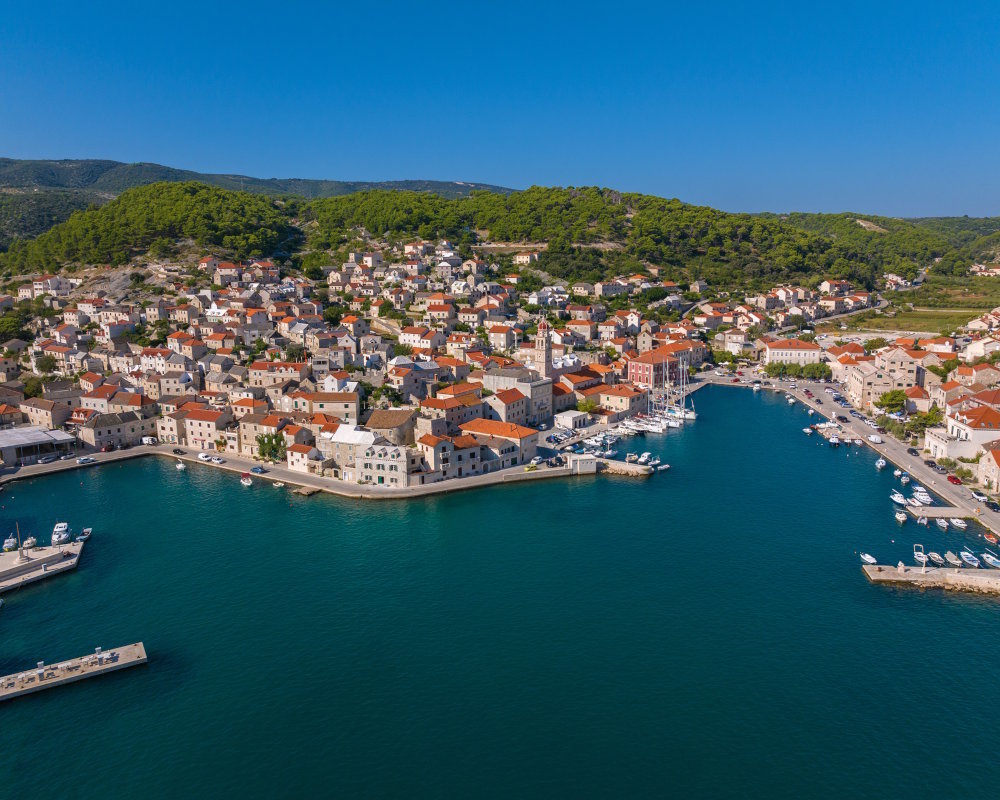
Aerial view of the waterfront in Pučišća, a traditional Brac village with white stone houses © Goran Šafarek | Dreamstime.com
In the island's interior, Škrip is also worth a stop. Considered the oldest village on Brac, it preserves remains dating back to antiquity, as well as the island museum housed in Radojković Castle. These villages offer a chance to discover another side of Brac, away from the busiest beaches along the coast.
Bol and the famous Zlatni Rat
An iconic Adriatic beach
At the western end of Bol lies Zlatni Rat, undoubtedly the most photographed site on Brac. This long pebble spit extends into the sea and has a remarkable characteristic: its tip changes slightly in shape and orientation depending on the winds, waves and currents. The scenery is particularly spectacular from the heights of Vidova Gora.

Aerial view of Zlatni Rat, with its iconic beach and the turquoise waters of the Adriatic Sea © Iurii Savenko | Dreamstime.com
The beach is easily accessible from Bol, and its surroundings allow you to extend your day with swimming, a coastal walk and water activities. In summer, however, its popularity attracts large numbers of visitors. To enjoy the site more peacefully, consider going early in the morning or exploring the nearby coves along the coast.
Discovering Bol beyond the beach
Bol is worth spending some time exploring, from its old town and waterfront to its atmosphere as a small Dalmatian town. The harbor, stone houses and narrow streets provide a pleasant setting for an evening stroll, when the heat becomes more comfortable.
From Bol, you can also explore the landscapes of southern Brac. The area around Murvica, trails leading into the hills and the coves along the coast offer plenty of ways to vary your activities and discover a wilder part of the island. The area is therefore a great base for combining beaches, hiking and cultural heritage.
White stone, heritage and traditions of Brac
The island of stone
White limestone is one of Brac's defining features. The quarries located around Pučišća in particular have played an important role in the island's history, and this stone has been used in numerous buildings throughout Croatia. The tradition of stone carving remains deeply associated with Brac's cultural identity.
This connection with stone can be seen in the architecture of the villages, traditional houses, churches and numerous stone walls that still shape the rural landscapes. As you explore the island, you will discover a built heritage that is closely integrated into the Mediterranean surroundings.
The Blaca Hermitage
On the southern coast, Blaca Bay leads to a particularly unique site: the Blaca Hermitage. Founded in 1551 by religious men seeking refuge in this isolated setting, the monastery gradually developed in a rugged, wooded environment that was difficult to access. Today, the site houses a museum where you can learn about the history of this community.
The bay itself is also worth the trip. Surrounded by pine trees and overlooked by a small chapel, it has a beach and serves as the starting point for a trail of about 1.2 miles leading to the former hermitage. This excursion combines cultural heritage, hiking and Mediterranean scenery in one of the best-preserved areas of Brac.
Don't miss
Zlatni Rat and Bol
Spend at least part of your day exploring Zlatni Rat and Bol. You can enjoy the beach, walk along the coastline and explore the town's historic center. For more pleasant light and fewer visitors, go in the morning or toward the end of the day if possible.
Vidova Gora
Climb to Vidova Gora, the highest point on Brač. The panorama over Zlatni Rat, Bol, the island of Hvar and the neighboring islands is one of the highlights of exploring the island. Hiking enthusiasts can also include the summit in a trail starting from the area around Bol.
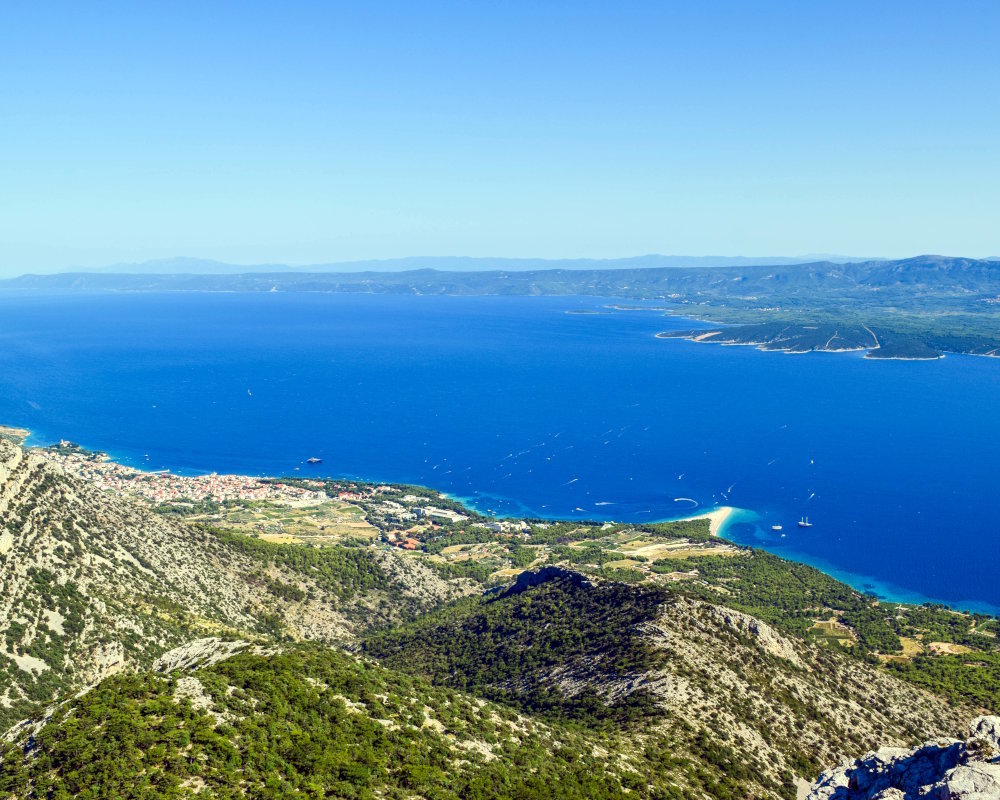
Panoramic view from Vidova Gora over Bol and the famous Zlatni Rat beach on the island of Brač © Jana Janina | Dreamstime.com
Škrip and the Brac Island Museum
Stop in Škrip to discover a more historical side of the island. Its ancient remains, castle and Brac Island Museum offer a better understanding of the area's history and traditions.
Blaca and its bay
Plan an excursion to Blaca Bay and its former hermitage. The trail connecting the bay to the monastery adds a nature component to this cultural visit and lets you discover a much quieter section of the southern coastline.
How to get there ?
From Split
The easiest way to reach Brac with a vehicle is to take the Jadrolinija ferry from Split to Supetar. The crossing takes about 50 minutes. This route brings you directly to the island's main port and is the most convenient option if you plan to explore Brac by car.
Schedules vary depending on the time of year and may be changed by the ferry company. During the peak season, service frequency is increased. If you are traveling with a car during the busiest periods, it is best to arrive at the port early enough to allow for heavier traffic.
From Makarska
To reach southeastern Brac, another option is the ferry service between Makarska and Sumartin. The crossing takes about 60 minutes and brings you directly to this part of the island, which can be useful if you want to create an itinerary different from one based around Supetar.
Brac is also served by fast boat services to Bol from Split during the summer season. This option is particularly convenient if you want to visit Bol and Zlatni Rat without necessarily exploring the entire island by car. Schedules and operating periods vary depending on the season, so check the ferry company's latest information before your trip.
Croatia island
The islands from adriatic Sea

Explore new islands


Our latestUpdates

The Guide des poissons de Nouvelle-CalédonieDiscover Guide to the Fishes of New Caledonia by Pierre Laboute and René Grandperrin, an illustrated reference featuring nearly 1,200 species, from rivers and coral reefs to the depths of the ocean.Read more
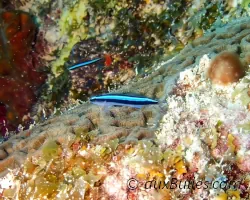
The neon gobyDiscover the neon goby (Elacatinus oceanops), a small western Atlantic reef fish known for its brilliant blue stripe and its role as a cleaner fish that removes parasites from other fish.Read more
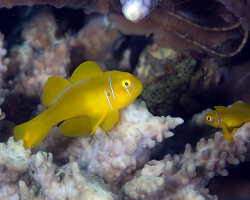
The poison gobyDiscover the poison goby (Gobiodon citrinus), a tiny reef fish with a bright yellow body and distinctive blue markings. It lives among branching Acropora corals in the tropical waters of the Indo-Pacific.Read more
Photo of the Day
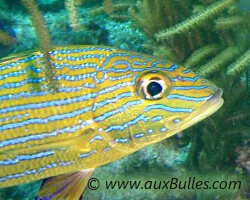
Gorette bleue
(Haemulon sciurus)
(Haemulon sciurus)
 Copyright © 2007-2026 auxBulles.com - All rights reserved. Legal notices.
Photo credits - Our partners