Sealife guideThe galapagos sharkCarcharhinus galapagensis
Last updated on 03/14/2025 at 09:18 PM
Taxonomy
English names
Galapagos shark
French namesRequin des Galapagos
Scientific nameCarcharhinus galapagensis (Snodgrass & Heller, 1905)
Description
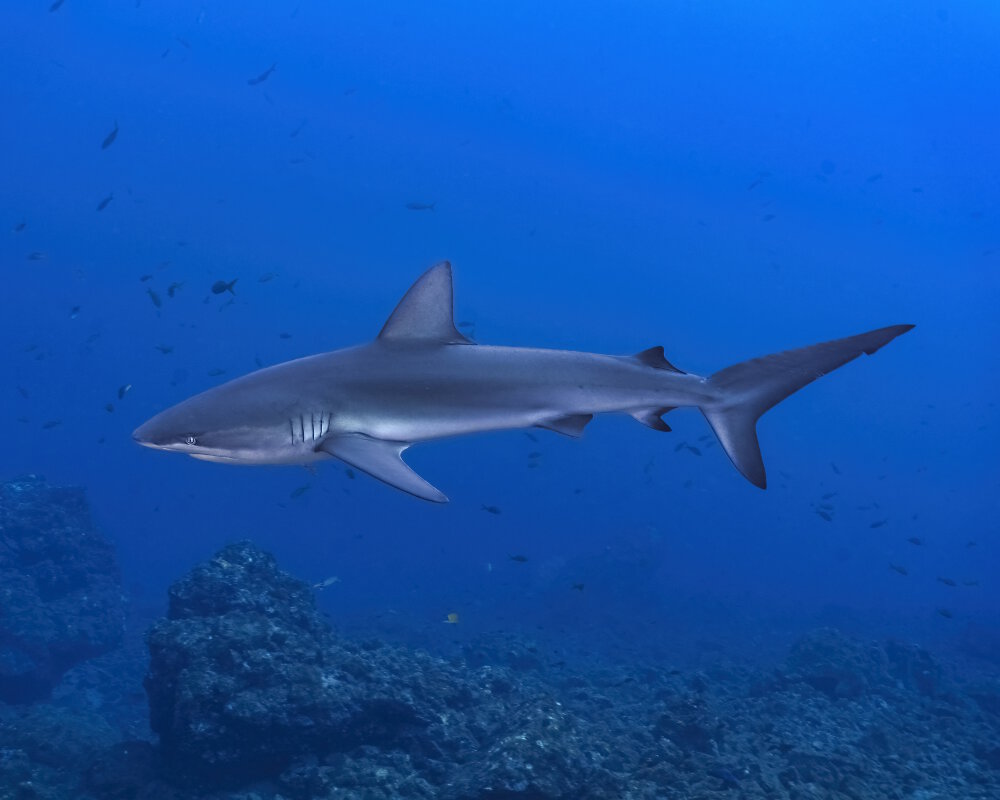
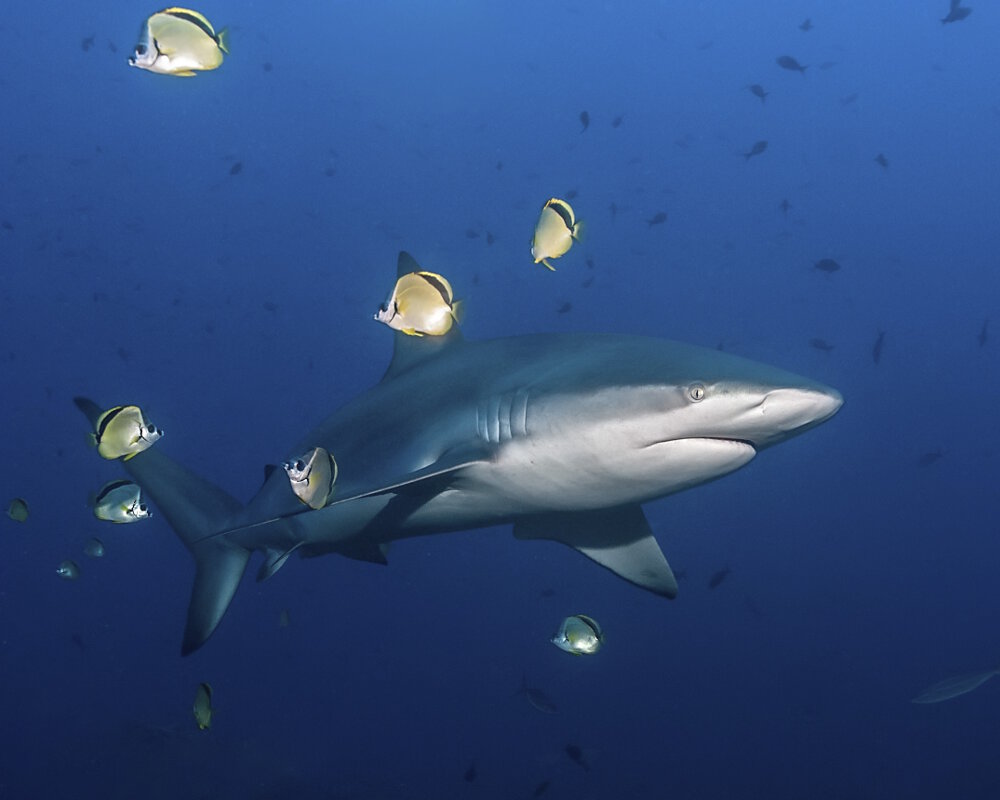
The Galápagos shark is a large shark species, averaging about 10 feet in length. Its body is streamlined like most reef sharks and its coloration ranges from dark gray to light gray on the dorsal side and whitish on the ventral side.
The Galápagos shark features a tall, rounded first dorsal fin followed by a smaller second dorsal fin. Its caudal fin is asymmetrical with the upper lobe larger than the lower lobe.
The Galápagos shark has a robust upper jaw dentition with broad, triangular teeth effective for catching prey.
Geographic range
These sharks are primarily found in the eastern Pacific ocean, particularly around the Galápagos islands, from which they get their name. They are also present in other regions of the Pacific ocean, such as the west coast of Mexico and the Revillagigedo archipelago.
Habitat
The Galápagos shark is a reef shark that frequents the coastal waters of oceanic islands off Central and South America. It is notably abundant around the
Galápagos islands which gave it its name. However, the Galápagos shark is also widely distributed across the world's seas and oceans in waters near coral reefs or continental slopes.
The Galápagos shark can be found at depths of up to about 920 feet.
Diet
This shark is a nocturnal hunter with a diet that includes a variety of prey such as bottom-dwelling fish, cephalopods including squid and octopuses, and
crustaceans.
Reproduction
The Galápagos shark is a
viviparous species that typically reaches sexual maturity around 8 to 10 years of age for females and 6 to 8 years for males.
After a gestation period of about a year, the female gives birth to a litter of several baby sharks with the number varying up to around fifteen.
Did you know ?
In the Galápagos National Park Marine Reserve, where three ocean currents converge, more than thirty shark species coexist, including common ones like the Galápagos shark, the
silvertip shark and the
blacktip reef shark as well as iconic species like the
whale shark and the hammerhead shark !
The galapagos shark is listed as many other marine species within The
IUCN Red List of threatened species. The galapagos shark appears in the
IUCN Red List since 2019 within the category Least Concern !
Tips for observing
Blacknose shark
(Carcharhinus acronotus)
Blacktip reef shark
(Carcharhinus melanopterus)
Bull shark
(Carcharhinus leucas)

Copper shark
(Carcharhinus brachyurus)
Dusky shark
(Carcharhinus obscurus)
Gray reef shark
(Carcharhinus amblyrhynchos)

Oceanic whitetip shark
(Carcharhinus longimanus)
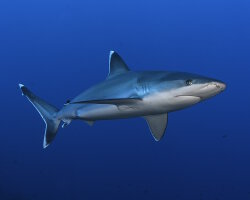
Silvertip shark
(Carcharhinus albimarginatus)
Within the same family
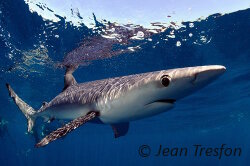
Blue shark
(Prionace glauca)
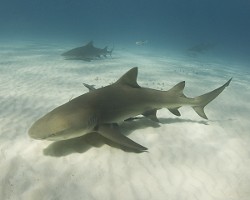
Lemon shark
(Negaprion brevirostris)
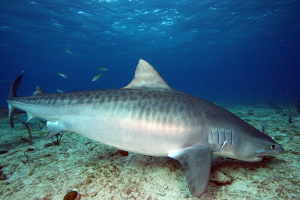
Tiger shark
(Galeocerdo cuvier)
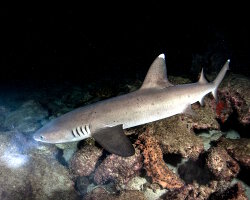
Whitetip reef shark
(Triaenodon obesus)
Discover also

Broadnose sevengill shark
(Notorynchus cepedianus)
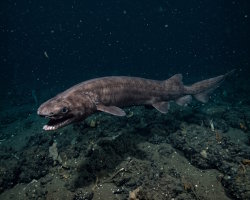
Frilled shark
(Chlamydoselachus anguineus)
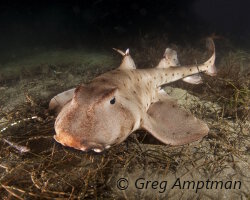
Horn shark
(Heterodontus francisci)
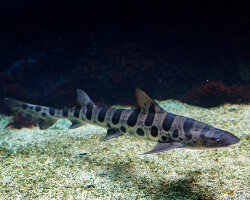
Leopard shark
(Triakis semifasciata)

Nurse shark
(Ginglymostoma cirratum)
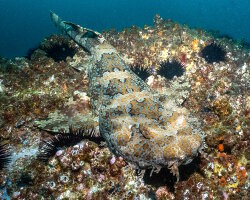
Ornate wobbegong
(Orectolobus ornatus)

Scalloped hammerhead
(Sphyrna lewini)
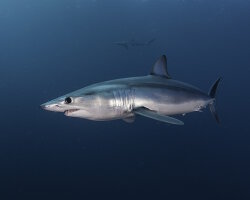
Short fin mako
(Isurus oxyrinchus)
The marine species in the Galápagos Islands
Blacktip reef shark
(Carcharhinus melanopterus)
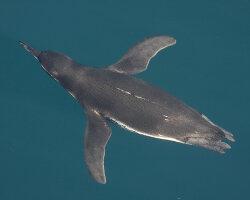
Galapagos penguin
(Spheniscus mendiculus)
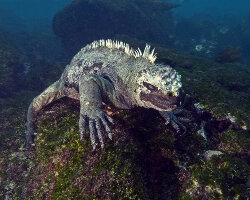
Marine iguana
(Amblyrhynchus cristatus)
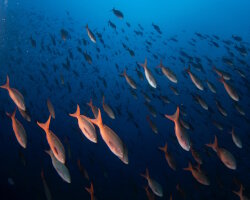
Pacific creolefish
(Cephalopholis colonus)

Red-footed booby
(Sula sula)
Scalloped hammerhead
(Sphyrna lewini)
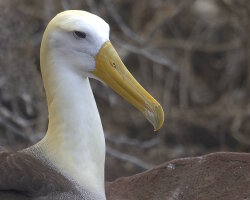
Waved albatross
(Phoebastria irrorata)
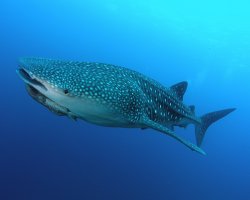
Whale shark
(Rhincodon typus)
Best scuba diving destinations

Galapagos islands