

Islands destinationSt. John IslandU.S. Virgin Islands | Caribbean Sea
Last updated on 08/28/2026 at 08:11 PM
St. John island is the smallest of the three main U.S. Virgin islands. It is a true paradise destination that captivates visitors with its untouched natural beauty and laid-back atmosphere.
With its white sandy beaches, crystal-clear turquoise waters, and lush vegetation, St. John island offers an idyllic setting for nature lovers, adventure seekers, and those looking to relax away from the hustle and bustle.
Top beaches
St. John island offers pristine white sandy beaches. Trunk Bay, often ranked among the most beautiful beaches in the world, is famous for its fine white sand and underwater snorkeling trail, allowing visitors to discover rich marine biodiversity with colorful corals and vibrant sea life.

St. John island with Trunk Bay beach, its white sand and turquoise waters © Alexander Shalamov | Dreamstime.com
Cinnamon Bay and Maho Bay are also must-visit beaches, ideal for sunbathing, swimming, and snorkeling.
Virgin Islands National Park
About two-thirds of St. John island is protected by Virgin Islands National Park, a vast natural reserve offering numerous hiking trails that cross tropical forests, mangroves, and historical ruins.
The popular Reef Bay Trail takes hikers through dense jungle down to a secluded beach, passing Taíno petroglyphs and remnants of colonial sugar plantations.
Hurricane Hole marine sanctuary
For scuba diving and snorkeling enthusiasts, the waters around St. John island are filled with beautiful coral reefs and spectacular dive sites.

The Hurricane Hole natural marine sanctuary on St. John island provides protection during storms and is home to a rich marine biodiversity © Lmphot | Dreamstime.com
Hurricane Hole and Waterlemon Cay are prime spots to observe a wide variety of tropical fish, sea turtles, and rays. The clear, shallow waters make these sites accessible even for beginners.
A rich cultural heritage
The history of St. John island is rich and fascinating, shaped by Indigenous, European, and African cultures. Visit the ruins of Annaberg Plantation, a former sugar estate where you can learn about the history of slavery and sugar production on the island.
The town of Cruz Bay, the island’s main hub, offers local shops, art galleries, and restaurants serving Creole and international cuisine.
Water activities
The calm waters around St. John island offer a wide range of sea-focused activities. Among the many water sports, you can rent a kayak or paddleboard to explore hidden bays and secluded coves.
Boat excursions are also available to visit nearby islands such as Jost Van Dyke and Tortola in the British Virgin islands, where you can discover even more remote beaches and exceptional snorkeling spots.
Where to stay ?
St. John island offers a range of accommodations for all tastes and budgets, from luxury ocean-view villas to eco-lodges surrounded by nature.
For a unique experience, stay at one of the national park campgrounds, where you can fall asleep to the sound of waves and wake up to breathtaking views of the Caribbean Sea.
How to get there ?
To reach St. John island in the U.S. Virgin islands, you first need to fly to Cyril E. King Airport on St. Thomas, usually with a connection in the United States (for example via Miami, New York, or Atlanta from Europe).
Once on St. Thomas, you can reach St. John island by taking a regular ferry from Red Hook or Charlotte Amalie, with a crossing time of about 20 to 45 minutes depending on the departure point. You can also access the island by private boat or organized tours.
Since most of the island is protected as a national park, transportation is simple but intentionally limited, helping preserve its natural and unspoiled character.
The marine species
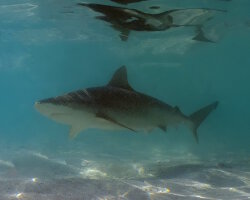
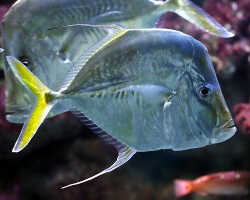
U.S. Virgin islands
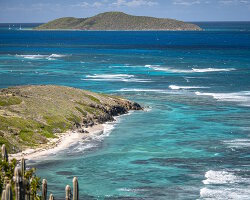
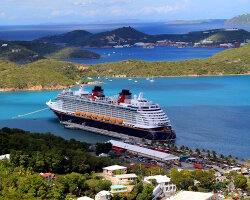
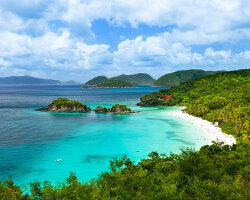
The islands from caribbean Sea
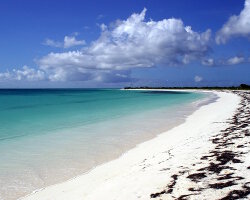
Anegada island
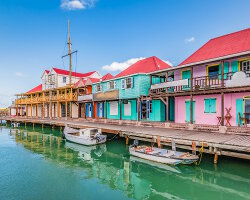
Antigua island
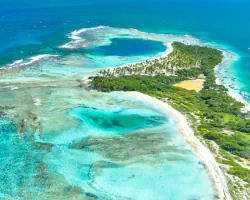
Cayo Sombrero
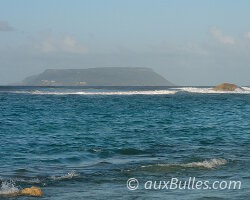
Désirade island
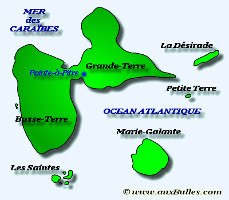
Guadeloupe island
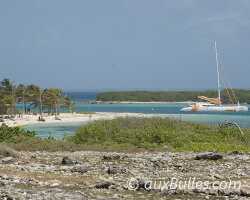
Petite Terre island
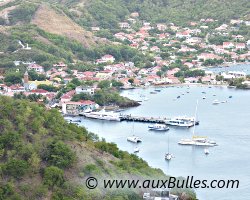
Saintes island
The Dominican Republic
Explore new islands


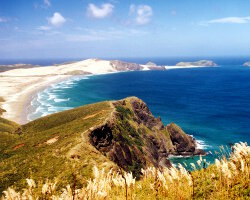


Our latestUpdates

The Guide des poissons de Nouvelle-CalédonieDiscover Guide to the Fishes of New Caledonia by Pierre Laboute and René Grandperrin, an illustrated reference featuring nearly 1,200 species, from rivers and coral reefs to the depths of the ocean.Read more
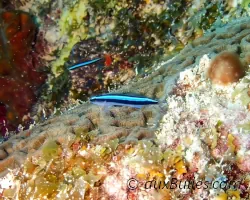
The neon gobyDiscover the neon goby (Elacatinus oceanops), a small western Atlantic reef fish known for its brilliant blue stripe and its role as a cleaner fish that removes parasites from other fish.Read more
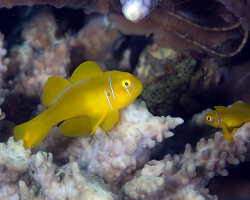
The poison gobyDiscover the poison goby (Gobiodon citrinus), a tiny reef fish with a bright yellow body and distinctive blue markings. It lives among branching Acropora corals in the tropical waters of the Indo-Pacific.Read more
Photo of the Day
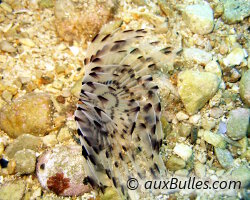
Sabelle paon
(Sabella pavonina)
(Sabella pavonina)
 Copyright © 2007-2026 auxBulles.com - All rights reserved. Legal notices.
Photo credits - Our partners