The island of La Gomera is part of the Canary islands archipelago and is located about 80 miles west of Tenerife and roughly 186 miles west of the Moroccan coast in the Atlantic ocean. La Gomera, along with Tenerife, La Palma, and El Hierro, is one of the greenest islands in the Canaries.
Nicknamed the round island or the magic island, La Gomera is very different from its more touristy neighbors and offers a timeless escape between ancient forests, steep cliffs, and colorful villages clinging to the mountains.
A treasure of preserved nature
La Gomera is world-famous for Garajonay National Park, a UNESCO World Heritage Site. This vast green mantle shelters one of the last remaining laurel forests, called laurisilva, on Earth, an ancient subtropical ecosystem dating back to the Tertiary period. A mystical atmosphere surrounds the trails that wind through mist, giant ferns, and natural waterfalls.
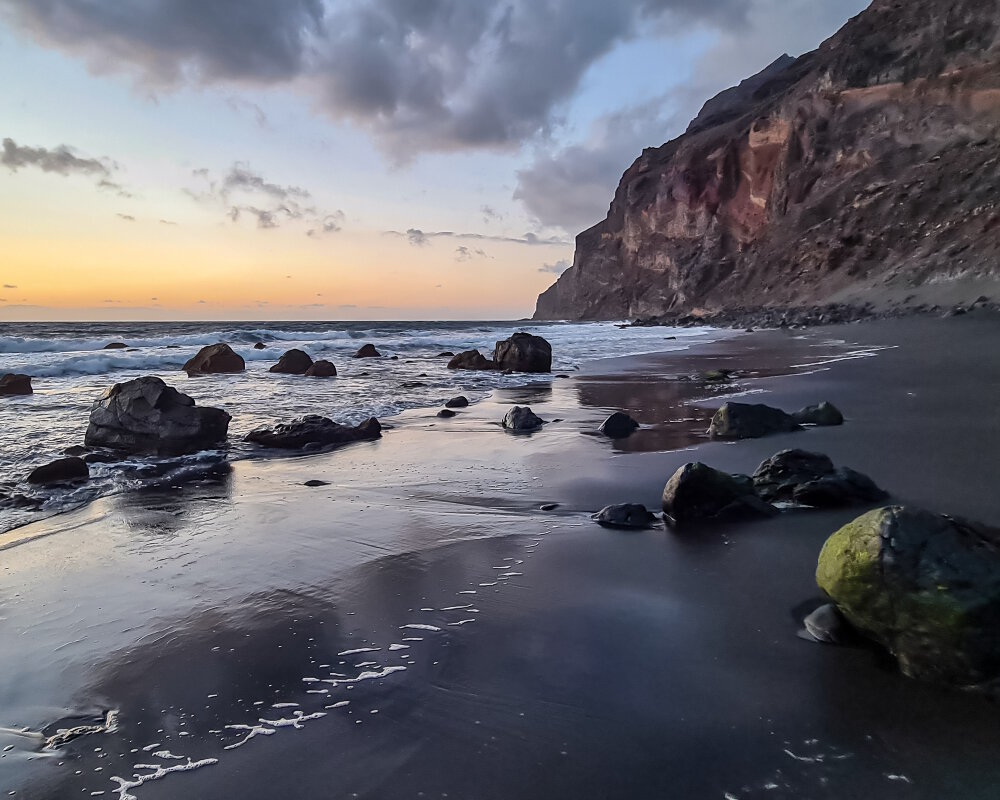
Lower down, the island reveals a mosaic of landscapes: deep ravines, lush palm groves, terraced crops, rocky coastlines carved by the ocean, and black sand beaches washed by clear Atlantic waters. Every turn reveals a new, even more spectacular panorama.
Authentic villages and a relaxed lifestyle
La Gomera stands out for its rural charm and the warmth of its people. San Sebastián de La Gomera, the capital, is a quiet town marked by Christopher Columbus's stop before his voyage to the New World. Its streets, small squares, and lively harbor invite leisurely strolls.
On the southern coast, Valle Gran Rey is one of the most popular spots for travelers, with its green terraces, beaches, and bohemian atmosphere. Hermigua, Agulo, Alajeró, and Vallehermoso are picturesque villages where time seems to have stood still.
A hiker's paradise
With over 370 miles of marked trails, La Gomera is a true paradise for hiking enthusiasts. Walkers can explore:
the enchanted forests of Garajonay
deep valleys carved by erosion
steep cliffs plunging into the Atlantic ocean
hidden coves accessible only on foot
Whether you are a beginner or an experienced hiker, the island offers routes for all levels, always rewarded with breathtaking views.
Quiet beaches and hidden coves
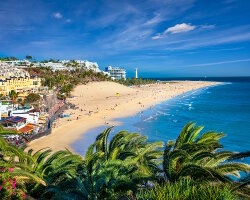
Although known for its mountains, La Gomera also offers beautiful seaside relaxation spots. The black sand beaches of Playa de Santiago, Playa de la Caleta, Playa del Inglés, and Playa de Vueltas in Valle Gran Rey are perfect for relaxing in a preserved natural setting. The island is also well known for dolphin and whale watching, which are frequently spotted offshore.
La Gomera is mainly accessible from the neighboring island of Tenerife. The most common way to reach it is by ferry from the port of Los Cristianos in southern Tenerife to San Sebastián de La Gomera: the crossing takes about 50 minutes and offers stunning views of volcanic cliffs. Several companies operate daily services, whether you travel on foot or with a vehicle.
It is also possible to reach La Gomera by plane thanks to its small airport located in Playa Santiago in the south of the island, served by inter-island flights operated by Binter Canarias from « Tenerife North » (formerly Los Rodeos), taking about 30 minutes, or from Gran Canaria in about 50 minutes.
Once there, the island is easily explored by car, bus, or through its many iconic hiking trails such as those in Garajonay National Park.
Did you know?
One of the most fascinating curiosities of La Gomera is El Silbo Gomero, a whistled language unique in the world, used for centuries to communicate across deep ravines. Listed as Intangible Cultural Heritage by UNESCO, this remarkable language is still taught in schools and remains a key part of the island's identity.
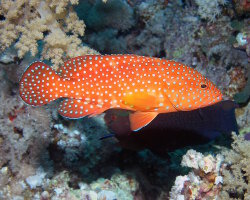
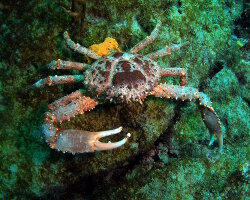
The marine species in the Canary Islands
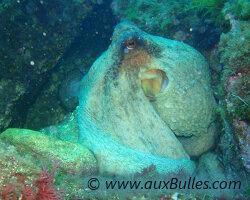
Common octopus (Octopus vulgaris)
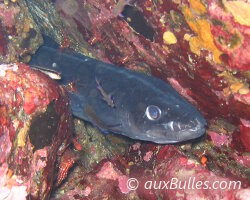
European conger eel (Conger conger)
Loggerhead sea turtle (Caretta caretta)
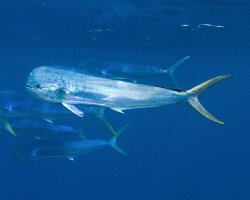
Mahi-mahi (Coryphaena hippurus)
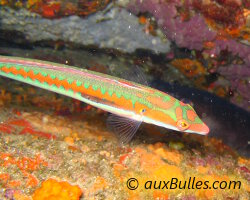
Mediterranean rainbow wrasse (Coris julis)
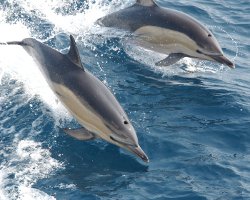
Short-beaked common dolphin (Delphinus delphis)
Short-finned pilot whale (Globicephala macrorhynchus)