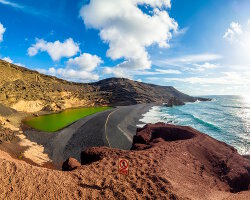
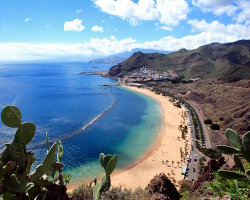
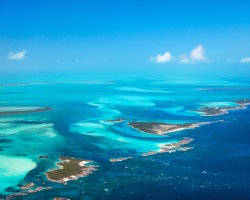
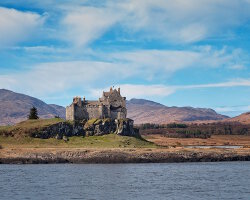
Among all the islands of the Canary islands archipelago, El Hierro is undoubtedly the most mysterious and authentic. Smaller and wilder than its neighboring islands, it appeals to travelers seeking raw nature, peace, and adventure. Designated a UNESCO Biosphere Reserve, the island offers an astonishing variety of landscapes: volcanic lava flows, hilltop villages, spectacular cliffs, and misty forests straight out of a storybook.
A fascinating volcanic landscape
El Hierro is a true open-air natural laboratory. Its volcanic origin is immediately visible upon arrival: vast stretches of black lava, craters aligned along the ridge, and frozen lava flows that look as if they formed yesterday. The island remains geologically active, as shown by the 2011 underwater eruption off the coast of La Restinga.
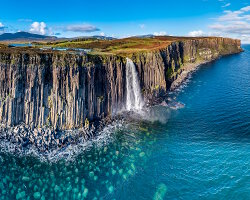
The southern coast reveals an arid landscape shaped by the elements, while the Frontera region and the El Golfo Valley offer a striking contrast with cliffs rising more than 3,280 feet, fertile orchards, and terraced vineyards. In the center of the island, mist surrounds the laurel forest and the twisted trees of La Llanía forest, one of the island's most beautiful hiking trails.
Hiking trails and spectacular viewpoints
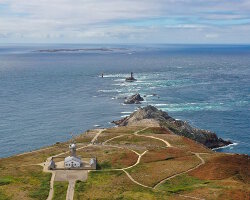
El Hierro is a paradise for hikers. Trails cross the island through volcanic areas, ancient forests, and natural viewpoints. Among the most famous is Mirador de la Peña, designed by architect César Manrique, overlooking the El Golfo Valley and offering one of the most breathtaking panoramas in the Canary islands.
Other viewpoints line the roads, such as Mirador de Jinama and Mirador de Bascos, both suspended above dramatic drops and offering sweeping views over the ocean and the island's rugged landscapes.
La Restinga, a diving paradise
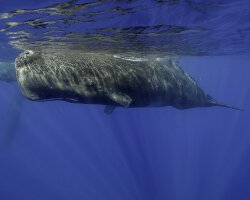
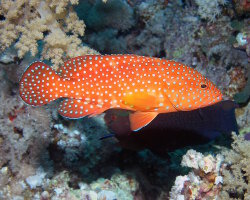
Known for its crystal-clear waters, El Hierro is considered one of the best diving destinations in Europe. The village of La Restinga, a peaceful fishing port on the south coast of the island, attracts divers from around the world. The protected seabed of the « La Restinga – Mar de las Calmas » marine reserve, created in 1996, is home to exceptional marine biodiversity including rays, groupers, sea turtles, schools of barracuda, and sometimes even angel sharks.
A warm welcome and preserved culture
With fewer than 12 000 residents, El Hierro has preserved its rural charm and authentic atmosphere. Villages such as Valverde, Frontera, and Sabinosa reflect peace and tradition. The islanders, deeply attached to their land, maintain a gentle lifestyle rooted in respect for nature.
Local traditions are still alive during popular festivals, especially the famous Bajada de la Virgen de los Reyes, celebrated every four years, a deeply rooted event in the island's identity.
Don't miss
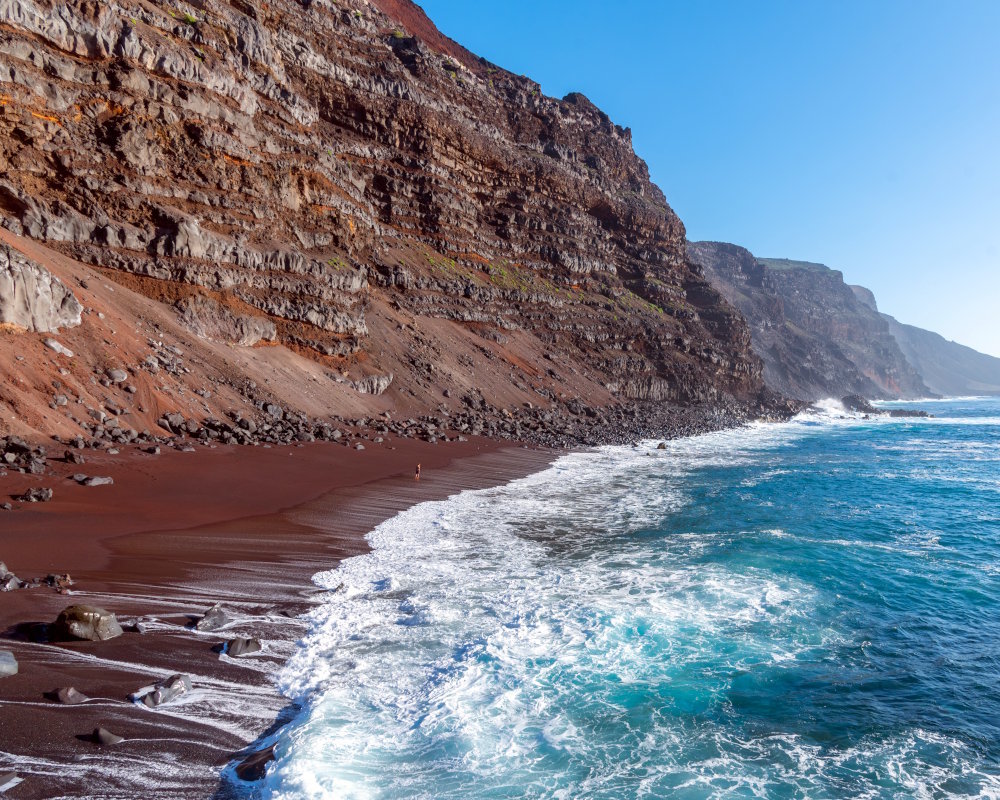
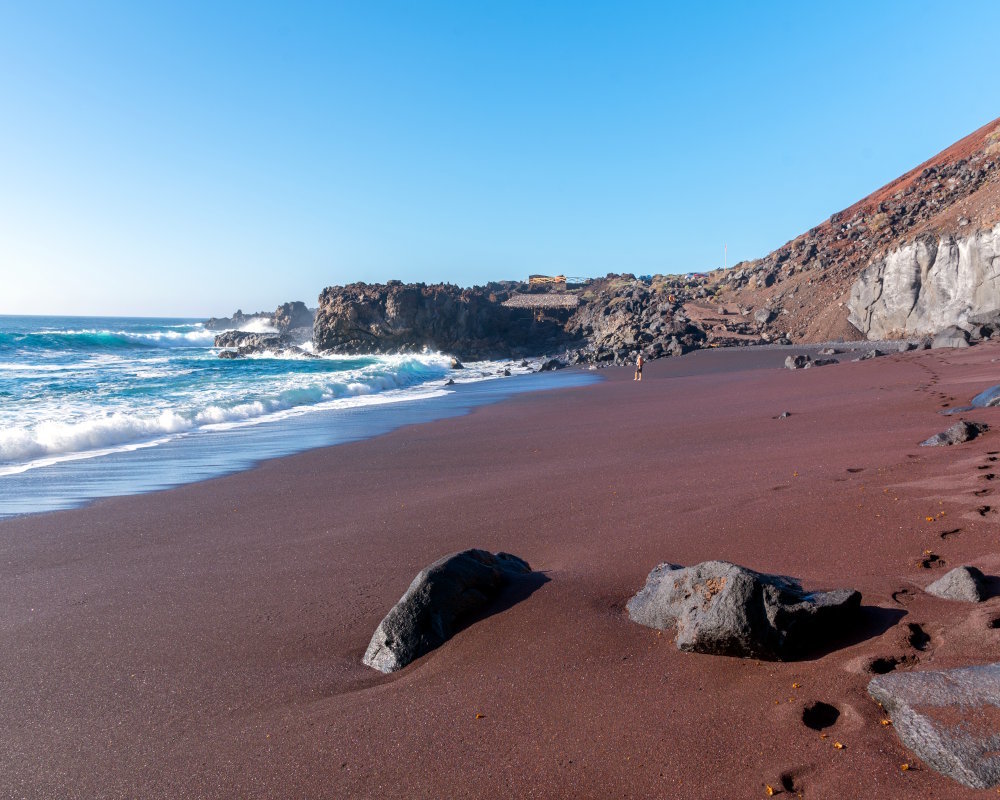
El Verodal wild beach
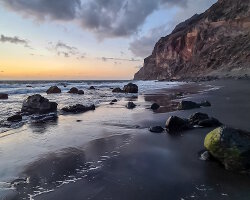
Located on the northwestern coast of El Hierro, El Verodal is one of the most spectacular and unique beaches on the island. Entirely covered in intense red volcanic sand, it offers a striking landscape where steep cliffs, basalt formations, and powerful waves create a setting of raw beauty.
Although swimming is often discouraged because of strong currents, El Verodal remains a must-see place to admire the power of the ocean, the surprising colors of the coastline, and enjoy a preserved natural setting far from urban development. It is one of the best examples of El Hierro's wild volcanic soul.
How to get there ?
El Hierro island, the smallest and westernmost of the Canary islands, is mainly accessible by plane or ferry. El Hierro Airport, located in Valverde, offers regular flights from Tenerife and Gran Canaria, providing a quick and convenient journey.
For those who prefer traveling by sea, ferries connect the island to the port of La Estaca from Tenerife, with a crossing time of about 2 to 3 hours depending on the type of vessel and sea conditions.
Once on the island, the best way to explore it is by renting a car or scooter, as public transportation remains limited and many volcanic and coastal landscapes are located outside the main villages.
Did you know ?
El Hierro stands out for its environmental commitment. The island aims for energy self-sufficiency through the innovative combination of a wind farm and a hydroelectric reservoir. This pioneering approach has earned it the nickname of the « sustainable island ».
The marine species in the Canary Islands
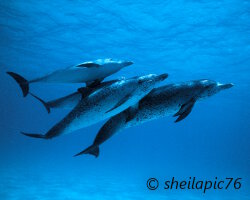
Atlantic spotted dolphin (Stenella frontalis)
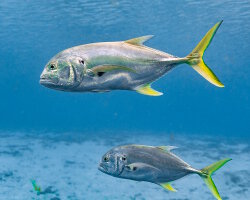
Crevalle jack (Caranx hippos)
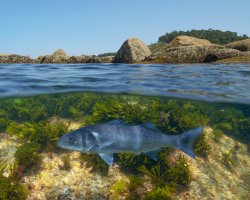
European seabass (Dicentrarchus labrax)
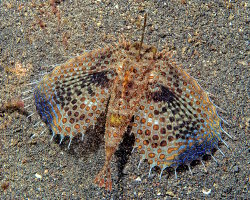
Flying gurnard (Dactylopterus volitans)
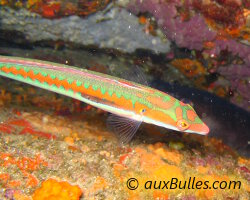
Mediterranean rainbow wrasse (Coris julis)
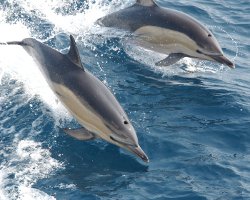
Short-beaked common dolphin (Delphinus delphis)
Short-finned pilot whale (Globicephala macrorhynchus)