Islands destinationGran Canaria islandCanary islands | Atlantic ocean
Last updated on 05/06/2026 at 10:17 PM
Gran Canaria is part of the
Canary islands archipelago and is located about 130 miles off the coast of Western Sahara, off northwest Africa. It is the third largest island in the archipelago after
Tenerife and
Fuerteventura, with an area of approximately 602 sq mi.
Due to its location in the Atlantic and subtropical climate, Gran Canaria enjoys pleasant weather year-round, making it a prime destination for tourism and outdoor activities.
A miniature continent
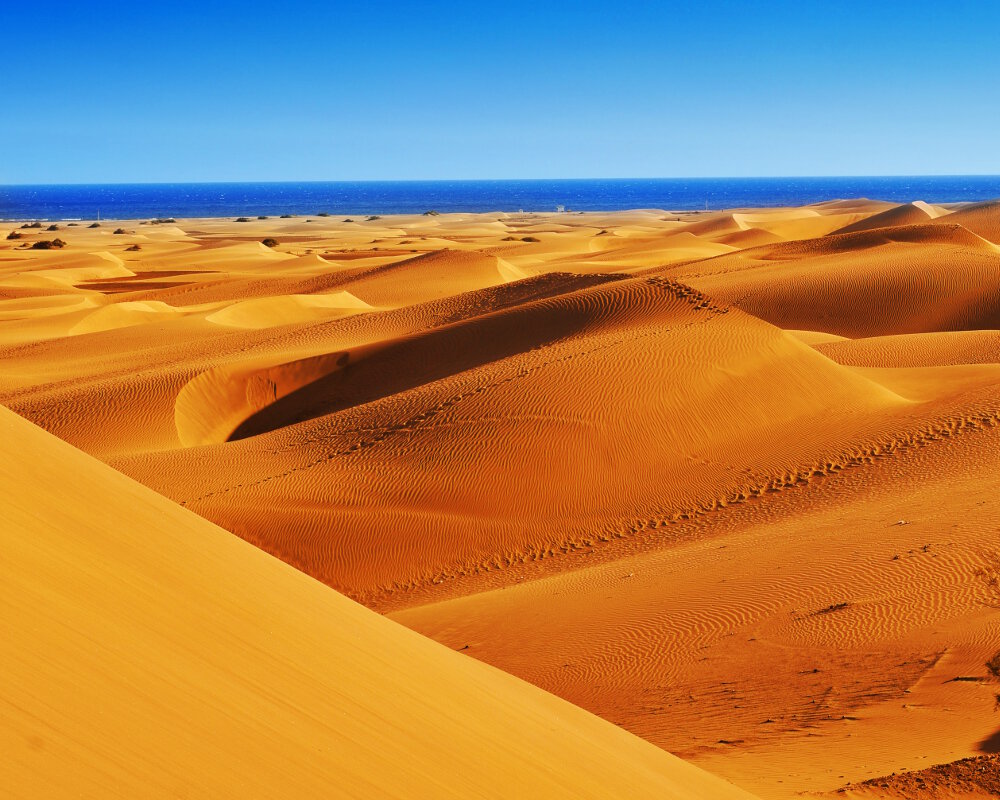
Gran Canaria is often considered a miniature continent thanks to its wide variety of landscapes. The island features striking contrasts between the lush, green north, marked by abundant vegetation and the drier, sunnier southern coast, known for its spectacular beaches and dunes.
With mountain peaks reaching nearly 6,560 ft, such as Morro de la Agujereada, Gran Canaria offers breathtaking panoramas. From natural viewpoints to hiking trails, the island reveals exceptional views of the Atlantic Ocean, volcanic valleys and perched villages, delighting nature lovers and outdoor enthusiasts.
Every beach has its own atmosphere
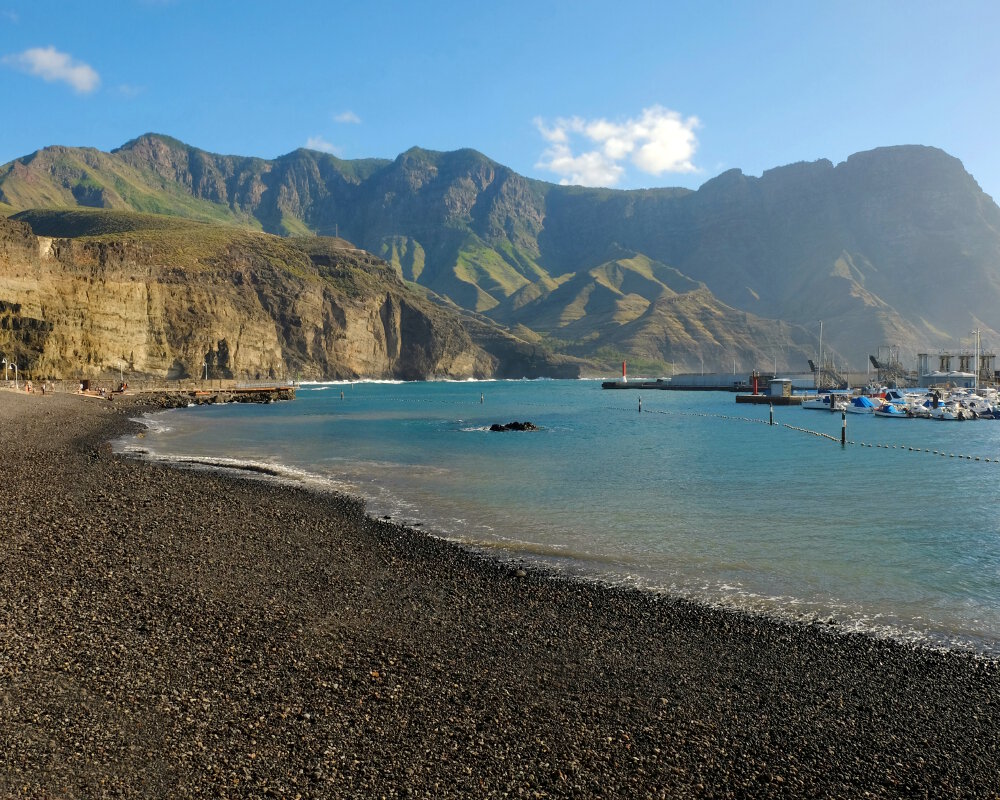
The island's beaches are just as impressive, offering stunning natural settings such as Maspalomas Beach with its dunes lining the ocean and creating vibrant, colorful scenery at sunset, Guayedra Beach where crystal-clear waters contrast with the surrounding cliffs and Las Nieves Beach with its black sand and pebbles, bordered by steep cliffs.
Each beach has its own unique atmosphere and Güi Güi Beach is a perfect example: wild and secluded, it captivates visitors with its black volcanic sand and, on clear days, offers spectacular views of Mount Teide, majestically rising on the horizon.
Typical villages and local traditions
Gran Canaria is home to many authentic villages that allow visitors to discover the island's soul and traditions. From mountain towns like Tejeda or Artenara, perched amidst volcanic landscapes, to coastal fishing villages, each place offers a unique atmosphere. Cobbled streets, white houses with wooden balconies and lively squares reflect the rich cultural heritage of the Canary islands.
These villages are also an opportunity to taste local cuisine and meet the residents. Traditional markets, local festivals and small family-run restaurants animate daily life and invite visitors to enjoy a more authentic experience, away from tourist areas, while taking in exceptional views of the mountains and the Atlantic Ocean.
Ideal year-round climate
Gran Canaria enjoys a particularly pleasant subtropical climate, with mild temperatures and abundant sunshine almost all year round. This favorable weather allows visitors to enjoy both the beaches and outdoor activities such as hiking, cycling, or water sports, no matter the season.
Thanks to this stable climate, the island has become a popular destination for travelers seeking sun, relaxation and escape. Whether for a warm winter getaway or a summer holiday by the ocean, Gran Canaria offers ideal conditions to recharge and explore its diverse landscapes.
Diving sites
Gran Canaria offers numerous renowned diving spots, appreciated for their underwater volcanic landscapes and biodiversity. Among the most famous sites are El Cabrón, considered one of the island's best dive sites, Sardina del Norte, known for its calm waters and diverse marine life, as well as Pasito Blanco and Tufia, recognized for their spectacular rock formations and rich marine ecosystems.
These sites are suitable for both beginner and experienced divers. Local diving centers offer guided trips, training courses and exploration dives for all levels. Thanks to good visibility and pleasant water temperatures year-round, diving in Gran Canaria is a must for discovering the richness of marine biodiversity in the Atlantic Ocean.
How to get there ?
Gran Canaria is easily accessible year-round thanks to its international airport, located halfway between Las Palmas and the island's popular southern tourist area. Numerous direct or connecting flights link the island to major European cities, making Gran Canaria an ideal destination for a sunny getaway.
Whether arriving by air or by sea, access is straightforward, allowing you to quickly reach resorts, beaches, or the typical mountain villages of Gran Canaria.
The marine species in the Canary Islands
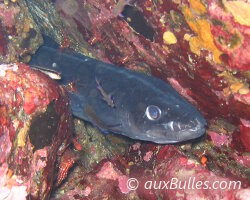
European conger eel
(Conger conger)
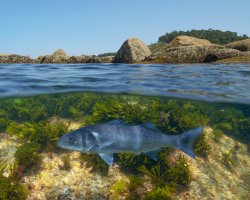
European seabass
(Dicentrarchus labrax)
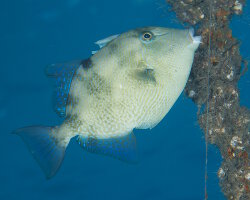
Gray triggerfish
(Balistes capriscus)
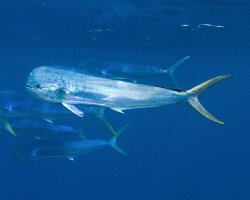
Mahi-mahi
(Coryphaena hippurus)
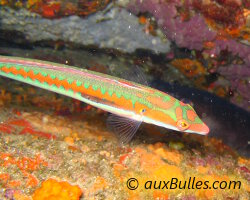
Mediterranean rainbow wrasse
(Coris julis)
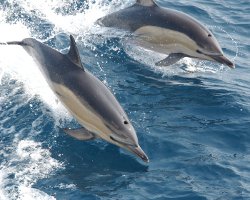
Short-beaked common dolphin
(Delphinus delphis)

Short-finned pilot whale
(Globicephala macrorhynchus)
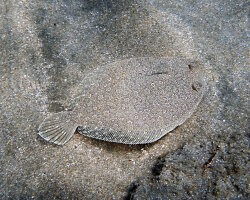
Wide-eyed flounder
(Bothus podas)
Canary islands

Canary islands
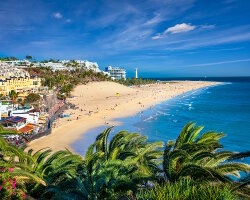
Fuerteventura island
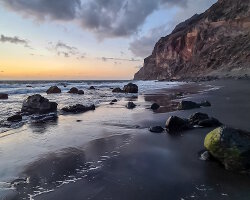
La Gomera island

El Hierro island
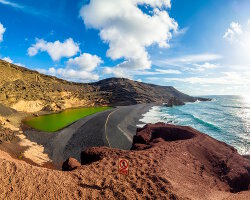
Lanzarote island

La Palma island
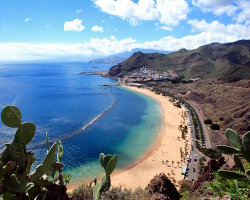
Tenerife island
The islands from atlantic ocean
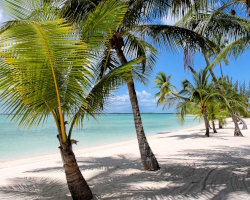
Andros island
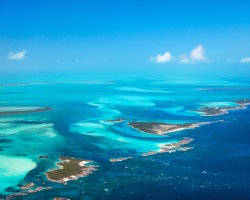
Bahamas islands
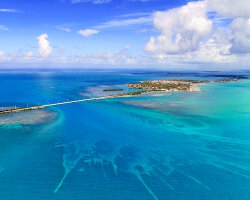
Florida Keys islands
Fogo island
Groix island
Kerrera island

Paradise island
Yeu island
Explore new islands
Cayo Sombrero

Cuba island
Fiji islands
Jamaica

Little Cayman island
Marshall islands
Medes islands
Saipan island