

Sealife guideSharks and rays: the secret lives of elasmobranchsMarine vertebrates
Last updated on 08/22/2025 at 10:42 PM
Elasmobranchs, such as sharks and rays, are very ancient cartilaginous fish. Their light and flexible skeletons make them highly agile in the water and their senses are remarkably developed: some can detect vibrations or electrical fields from a distance.
These animals play a crucial role in marine ecosystems by regulating prey populations and maintaining the balance of reefs and seagrass beds. Despite their often fearsome reputation, most elasmobranchs pose no danger to humans and are a testament to the richness of marine biodiversity.
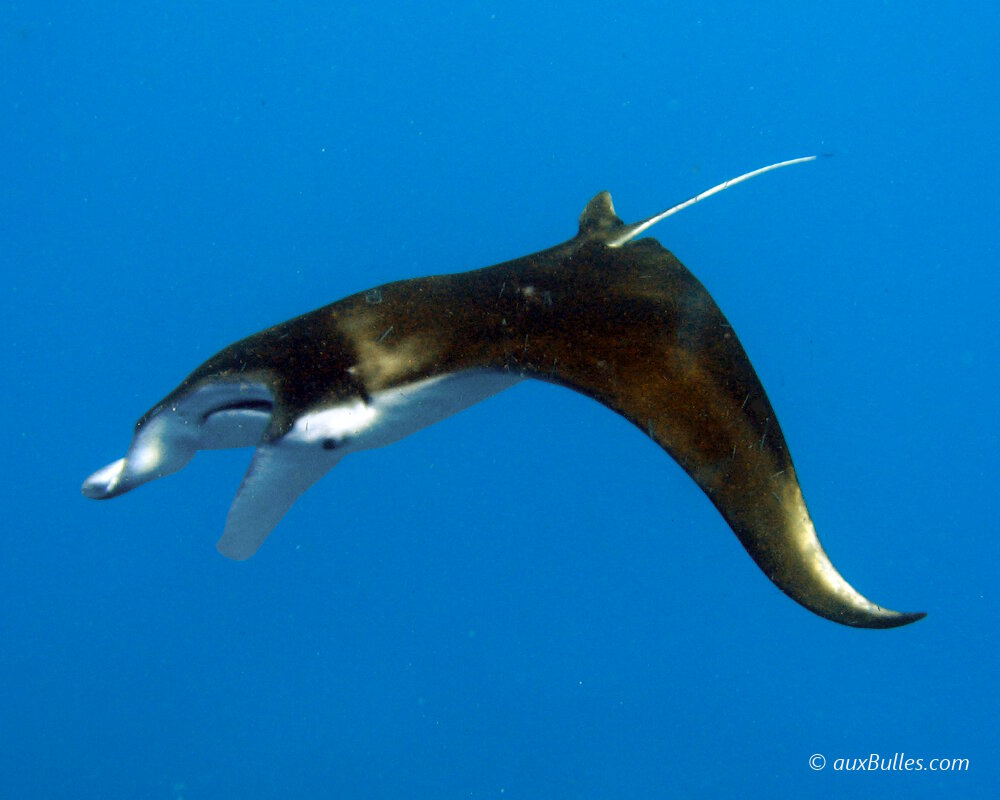
The manta ray (Mobula birostris) is a cartilaginous fish
Elasmobranchs are a subclass of cartilaginous fish, scientifically known as Chondrichthyes and include both pelagic and benthic species. Among them is the largest fish in the world, the whale shark, reaching up to 66 feet in length !
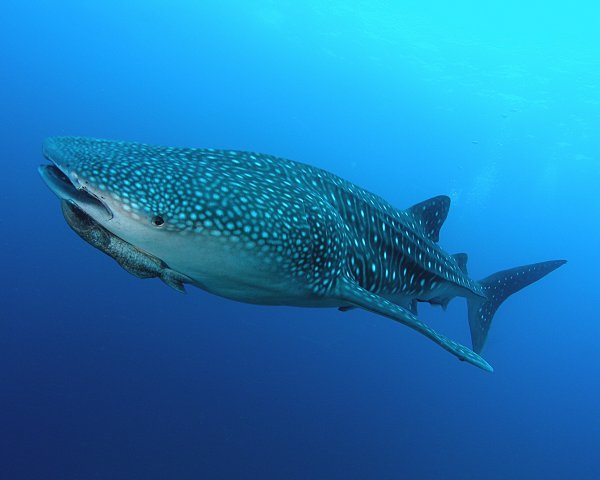
The whale shark is the largest fish at the surface of the globe
Discover sharks and rays
Blacktip reef shark
(Carcharhinus melanopterus)
(Carcharhinus melanopterus)
Halavi guitarfish
(Glaucostegus halavi)
(Glaucostegus halavi)
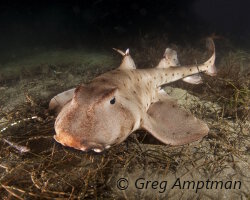
Horn shark
(Heterodontus francisci)
(Heterodontus francisci)
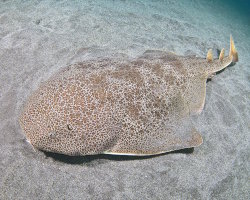
Japanese angelshark
(Squatina japonica)
(Squatina japonica)
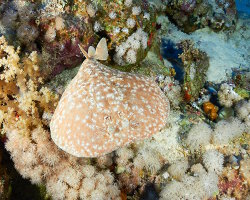
Panther electric ray
(Torpedo panthera)
(Torpedo panthera)
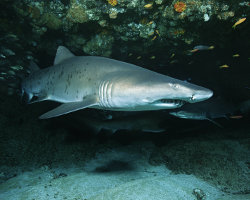
Sand tiger shark
(Carcharias taurus)
(Carcharias taurus)
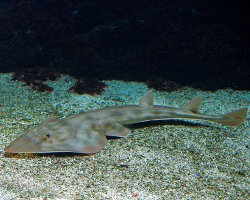
Shovelnose guitarfish
(Pseudobatos productus)
(Pseudobatos productus)
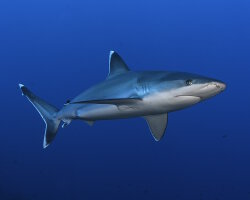
Silvertip shark
(Carcharhinus albimarginatus)
(Carcharhinus albimarginatus)
Our latestUpdates
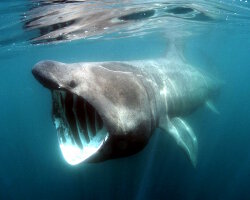
The basking sharkDiscover the basking shark (Cetorhinus maximus), the world's second-largest fish. This huge shark feeds on plankton by filtering large amounts of water.Read more
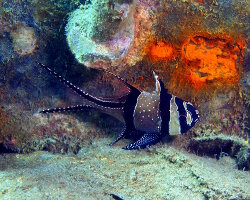
The Banggai cardinalfishDiscover the Banggai cardinalfish (Pterapogon kauderni), a small marine fish endemic to the Banggai Islands, known for its black-and-white stripes and unique reproductive behavior.Read more
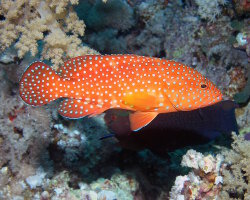
The coral hindDiscover the coral hind (Cephalopholis miniata), a colorful Indo-Pacific grouper known for its reddish-orange body covered with small blue spots.Read more
Photo of the Day
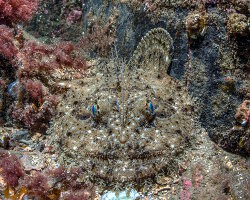
Baudroie commune
(Lophius piscatorius)
(Lophius piscatorius)
 Copyright © 2007-2026 auxBulles.com - All rights reserved. Legal notices.
Photo credits - Our partners