Sealife guideThe spiny starfishMarthasterias glacialis

Last updated on 08/10/2026 at 10:24 PM
Taxonomy
  • Common name: Spiny starfish
  • French name: Etoile de mer glaciaire, étoile de mer à gros piquants
  • Scientific name: Marthasterias glacialis (Linnaeus, 1758)
  • Family name: Asteriidae
  • Order name: Forcipulatida
  • Class name: Sea stars [Asteroidea]
Description
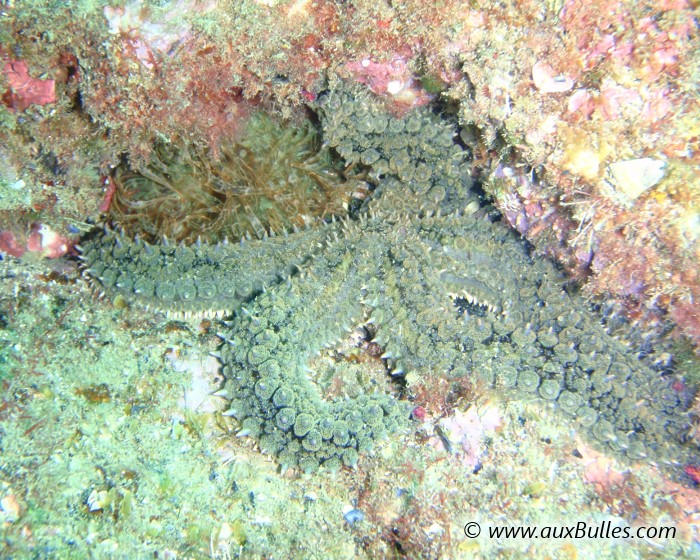
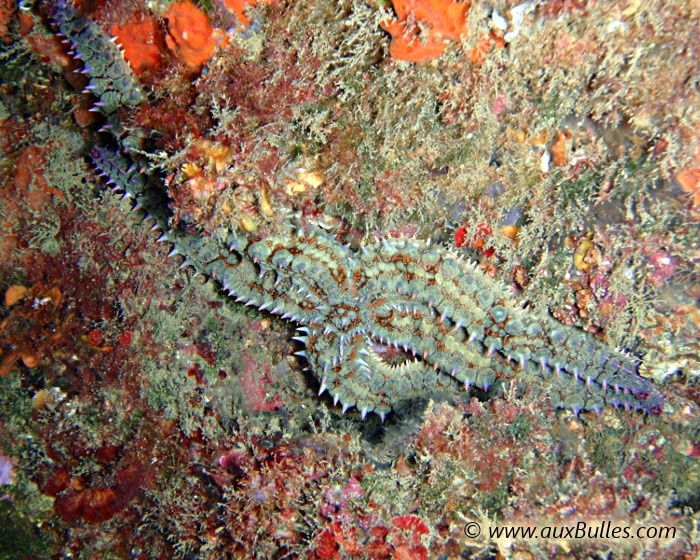
The spiny starfish is a large sea star. It typically reaches a span of around 12 inches, with a maximum size of up to 31 inches. The spiny starfish has 5 arms, each covered with several rows of large spines. Its dominant coloration varies greatly, ranging from grayish green to brown, but purple, yellow and orange specimens can also be found.
The spiny starfish is a large sea star that reaches a span of around 12 inches
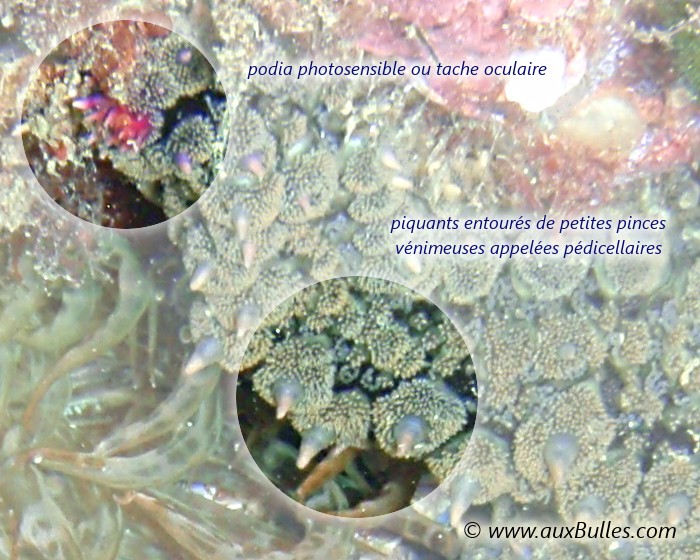
The spiny starfish has a photosensitive tube foot, called an eyespot, at the tip of each arm.
Geographic range
The spiny starfish is found in the Atlantic ocean, the Mediterranean sea, the English Channel and the North sea.
Habitat
The spiny starfish is found from the surface to depths of more than 328 feet. It inhabits rocky seabeds and rocky crevices, where it shelters during the day.
Diet
The spiny starfish feeds mainly on mollusks and crustaceans, but also on the remains of dead animals. This sea star is particularly voracious and can cause significant damage.
Reproduction
The spiny starfish reproduces sexually. The female raises herself on her 5 arms to release her eggs into the seawater, where they are then fertilized by sperm released by the male.
Like other sea stars, the spiny starfish can also reproduce asexually, meaning that it is capable of regenerating all or part of its body.
Did you know ?
The spiny starfish can regenerate from a part of its body that it has voluntarily or involuntarily lost as a means of defense!
During this regeneration process, individuals with arms that are smaller than the others can be observed. In addition, abnormalities may occur following regeneration, such as the presence of an extra arm or the absence of an arm.
Tips for observing
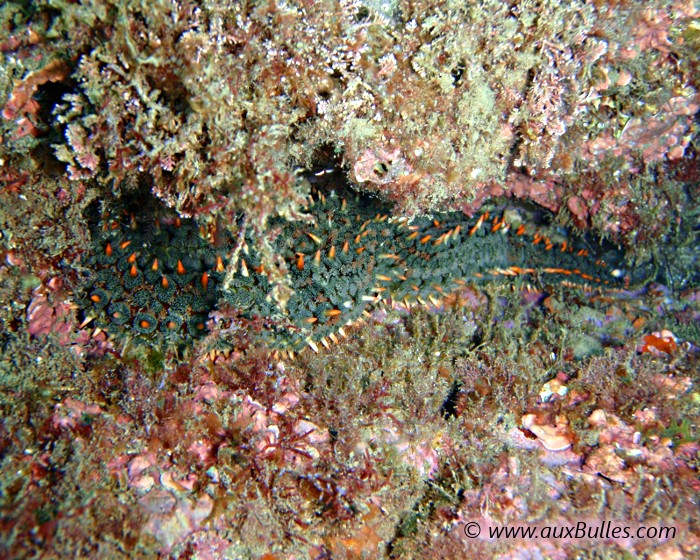
Pay particular attention to rocky crevices when looking for spiny starfish resting inside !
Look closely among the rocky crevices and you may spot the spiny starfish


Within the same family
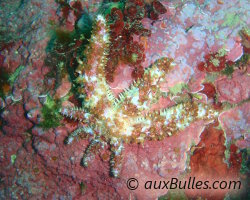
Blue spiny starfish (Coscinasterias tenuispina)
Blue spiny starfish
(Coscinasterias tenuispina)
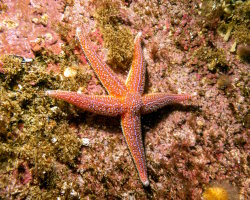
Common starfish (Asterias rubens)
Common starfish
(Asterias rubens)
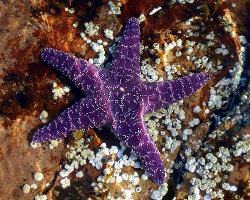
Ochre sea star (Pisaster ochraceus)
Ochre sea star
(Pisaster ochraceus)
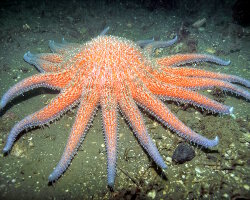
Sunflower sea star (Pycnopodia helianthoides)
Sunflower sea star
(Pycnopodia helianthoides)
Discover also
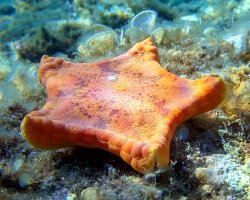
Biscuit sea star (Peltaster placenta)
Biscuit sea star
(Peltaster placenta)
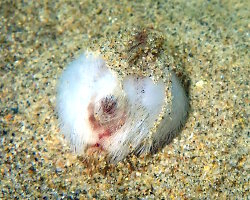
Common heart urchin (Echinocardium cordatum)
Common heart urchin
(Echinocardium cordatum)
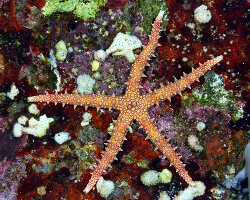
Egyptian sea star (Gomophia egyptiaca)
Egyptian sea star
(Gomophia egyptiaca)
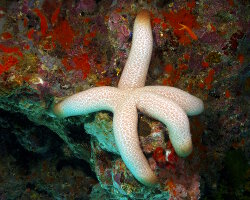
Heavy starfish (Thromidia catalai)
Heavy starfish

(Thromidia catalai)
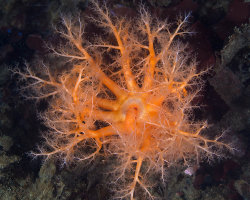
Orange sea cucumber (Cucumaria miniata)
Orange sea cucumber
(Cucumaria miniata)
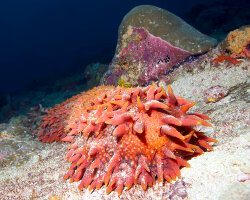
Pineapple sea cucumber (Thelenota ananas)
Pineapple sea cucumber
(Thelenota ananas)
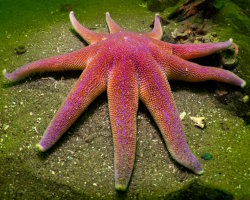
Purple sun star (Solaster endeca)
Purple sun star
(Solaster endeca)
Smooth starfish (Hacelia attenuata)
Smooth starfish
(Hacelia attenuata)
The marine species in the Mediterranean Sea
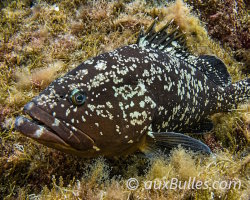
Dusky grouper (Epinephelus marginatus)
Dusky grouper
(Epinephelus marginatus)
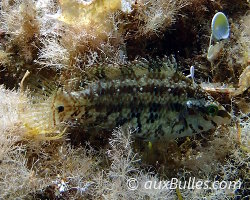
Five-spotted wrasse (Symphodus roissali)
Five-spotted wrasse
(Symphodus roissali)
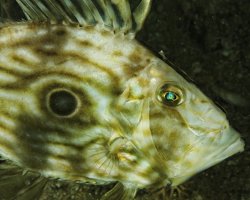
John dory (Zeus faber)
John dory
(Zeus faber)
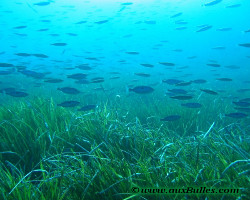
Neptune grass (Posidonia oceanica)
Neptune grass
(Posidonia oceanica)
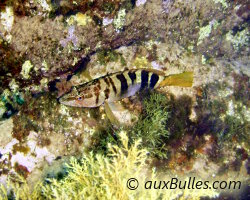
Painted comber (Serranus scriba)
Painted comber
(Serranus scriba)
Purple-striped jelly (Pelagia noctiluca)
Purple-striped jelly
(Pelagia noctiluca)
Purse codium (Codium bursa)
Purse codium
(Codium bursa)
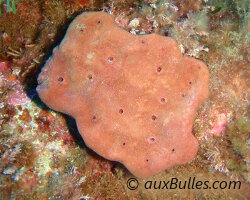
Stony sponge (Petrosia ficiformis)
Stony sponge
(Petrosia ficiformis)

Our latestUpdates

Photo of the Day
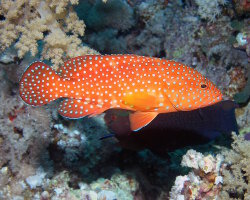
Vieille de roche (Cephalopholis cruentata)
Vieille de roche
(Cephalopholis cruentata)