Sealife guideThe gray reef sharkCarcharhinus amblyrhynchos
Last updated on 08/06/2026 at 10:16 PM
The gray reef shark (Carcharhinus amblyrhynchos) is one of the most iconic sharks found on coral reefs throughout the Indo-Pacific.
Taxonomy
English names
Gray reef sharkBlacktail reef shark
French namesRequin gris de récifRequin dagsitRequin à queue noire
Spanish namesTiburón coralero rabinegro
Scientific nameCarcharhinus amblyrhynchos (Bleeker, 1856)
Description
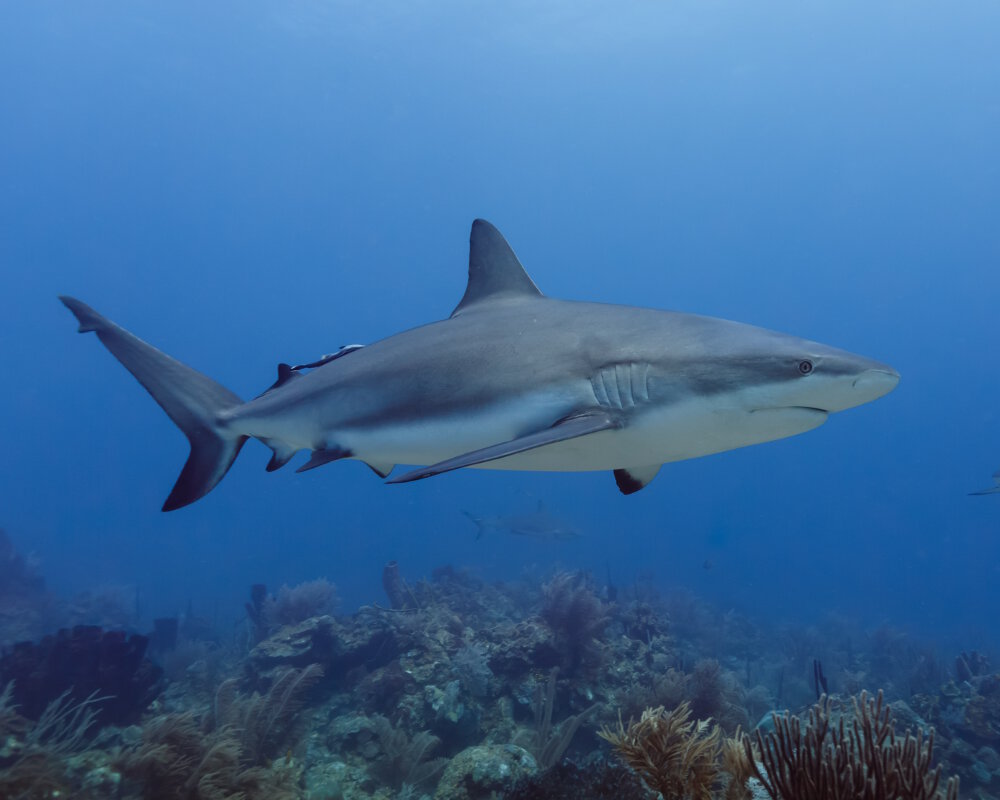
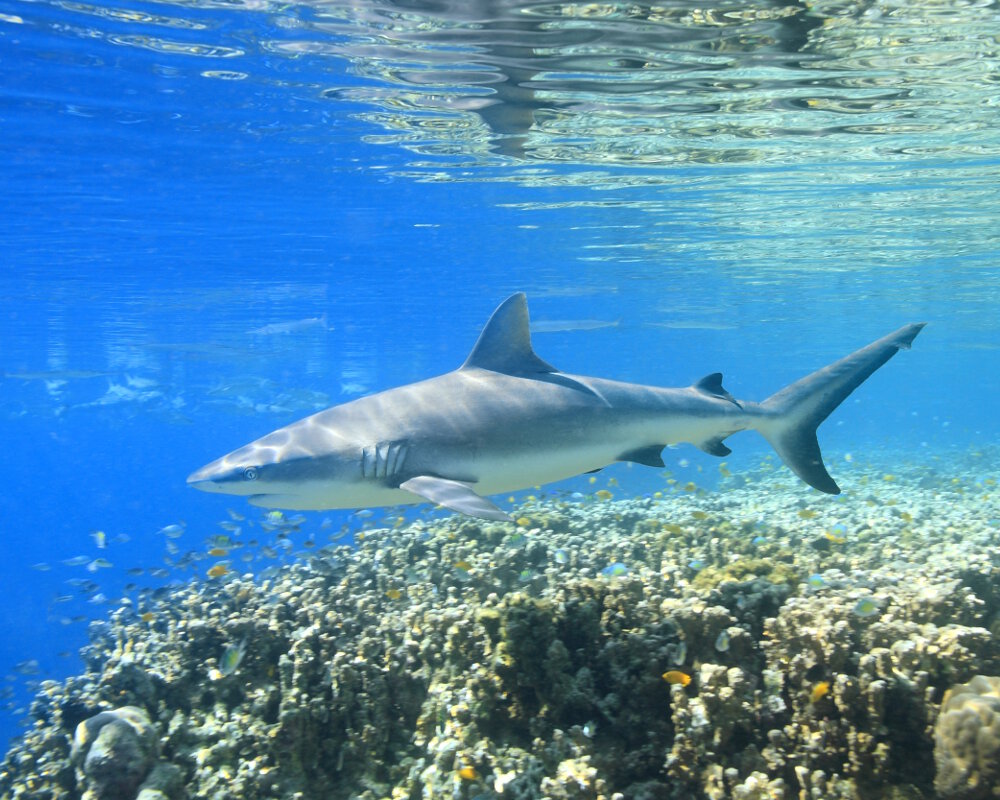
The gray reef shark has a streamlined, powerful body perfectly adapted for fast swimming. Adults generally measure between 5 and 6.6 feet in length, although the largest individuals can exceptionally reach up to 8.4 feet.
Its back is gray to bronze-gray, while its belly is white, a coloration that allows it to blend into its surroundings when observed from above or below. Its main identification feature is the broad black edge along the rear margin of its caudal fin. The tips of the other fins also show more subtle black markings, particularly on the second dorsal fin.
Its snout is relatively rounded, and its large eyes provide excellent vision, essential for locating prey in the clear waters of coral reefs. Its mouth is equipped with several rows of triangular, serrated teeth, perfectly suited for grasping and tearing fish.
Geographic range
The gray reef shark is found in tropical waters of the Indian and Pacific oceans, from the eastern coast of Africa, the Red sea, and the
Maldives to
Australia, Papua New Guinea, the Philippines, Indonesia, southern Japan, and numerous Pacific islands, including French Polynesia, the Marshall islands, and
Hawaii.
This species is absent from the Atlantic ocean.
Habitat
The gray reef shark mainly inhabits outer coral reefs, steep reef slopes, and channels where currents bring a large amount of food. It is most often found from a few feet deep to around 200 feet, although it can occasionally descend much deeper.
During the day, several individuals may form small groups that slowly patrol above the reef or remain facing into the current to conserve energy. At night, they generally become more active and patrol their territory in search of food. The gray reef shark also shows strong site fidelity and may return to the same areas for several years.
Diet
A top predator in the food chain, the gray reef shark plays an essential role in maintaining the balance of coral reef ecosystems. Its diet mainly consists of bony reef fish, such as parrotfish, surgeonfish, and snappers. It also feeds on squid, octopuses, and various
crustaceans, including crabs, shrimp, and lobsters.
An opportunistic hunter, it often takes advantage of fish aggregations and may hunt collectively with other sharks, increasing the pressure on prey, which then have greater difficulty escaping. Thanks to its speed, agility, and highly developed senses, it can easily detect the vibrations and scents released by its prey.
Reproduction
The gray reef shark is
viviparous. Gestation lasts around twelve months, after which the female gives birth to a litter of one to six pups measuring between 18 and 24 inches in length. From birth, young sharks are fully independent and move into shallow or sheltered reef areas where they are better protected from larger predators.
Did you know ?
The gray reef shark is listed as many other marine species within The
IUCN Red List of threatened species. The gray reef shark appears in the
IUCN Red List since 2020 within the category Endangered !
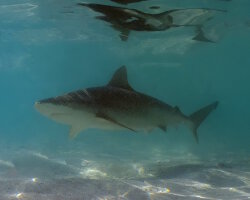
Blacknose shark
(Carcharhinus acronotus)
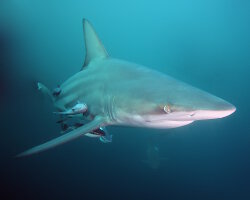
Blacktip shark
(Carcharhinus limbatus)
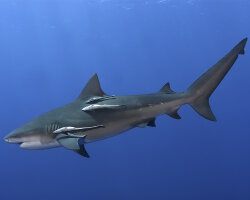
Bull shark
(Carcharhinus leucas)
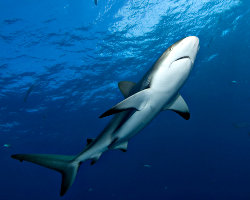
Caribbean reef shark
(Carcharhinus perezi)
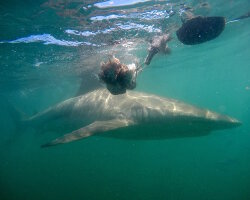
Copper shark
(Carcharhinus brachyurus)
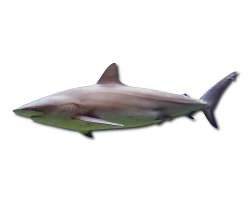
Dusky shark
(Carcharhinus obscurus)
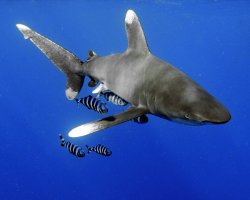
Oceanic whitetip shark
(Carcharhinus longimanus)
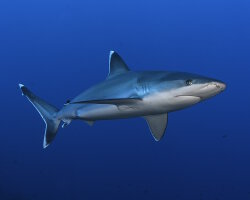
Silvertip shark
(Carcharhinus albimarginatus)
Within the same family
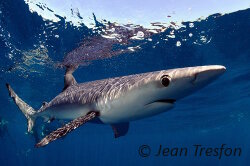
Blue shark
(Prionace glauca)
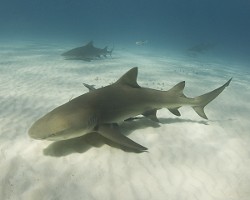
Lemon shark
(Negaprion brevirostris)
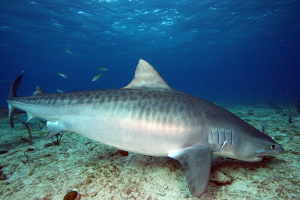
Tiger shark
(Galeocerdo cuvier)
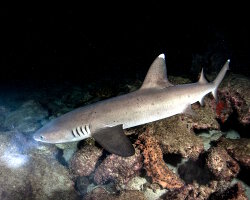
Whitetip reef shark
(Triaenodon obesus)
Discover also
Broadnose sevengill shark
(Notorynchus cepedianus)
Brownbanded bamboo shark
(Chiloscyllium punctatum)
Great hammerhead shark
(Sphyrna mokarran)
Great white shark
(Carcharodon carcharias)
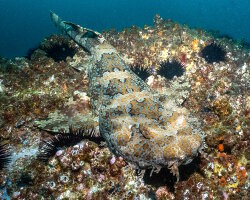
Ornate wobbegong
(Orectolobus ornatus)
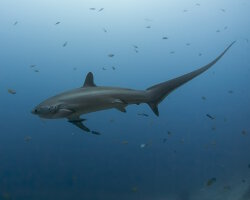
Pelagic thresher shark
(Alopias pelagicus)
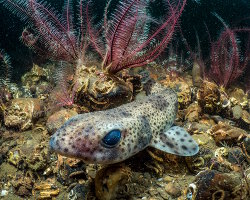
Small-spotted catshark
(Scyliorhinus canicula)
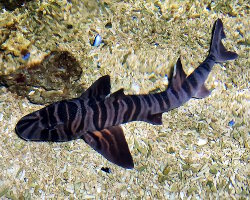
Zebra bullhead shark
(Heterodontus zebra)
The marine species in the Indo-Pacific
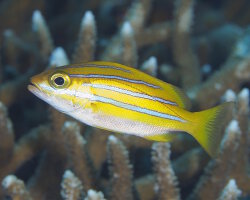
Bengal snapper
(Lutjanus bengalensis)
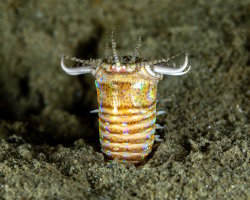
Bobbitt worm
(Eunice aphroditois)
Brownbanded bamboo shark
(Chiloscyllium punctatum)
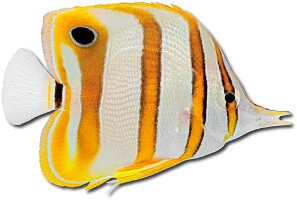
Copperbanded butterfly
(Chelmon rostratus)
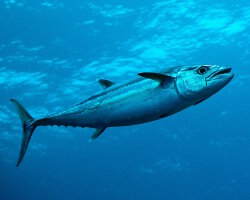
Dogtooth tuna
(Gymnosarda unicolor)
Indian mackerel
(Rastrelliger kanagurta)
Moontail bullseye
(Priacanthus hamrur)

Reef manta ray
(Mobula alfredi)
Best scuba diving destinations
Seychelles islands