Sealife guideThe gray angelfishPomacanthus arcuatus
Last updated on 03/02/2026 at 11:01 PM
Taxonomy
English names
Gray angelfish
French namesPoisson ange grisAnge grisDemoiselle blanche
Spanish namesGallineta café
Scientific namePomacanthus arcuatus (Linnaeus, 1758)
Description
Le
gray angelfish is morphologically similar to the
French angelfish and is often confused with it. The gray angelfish is a large fish measuring about 16 inches in length.
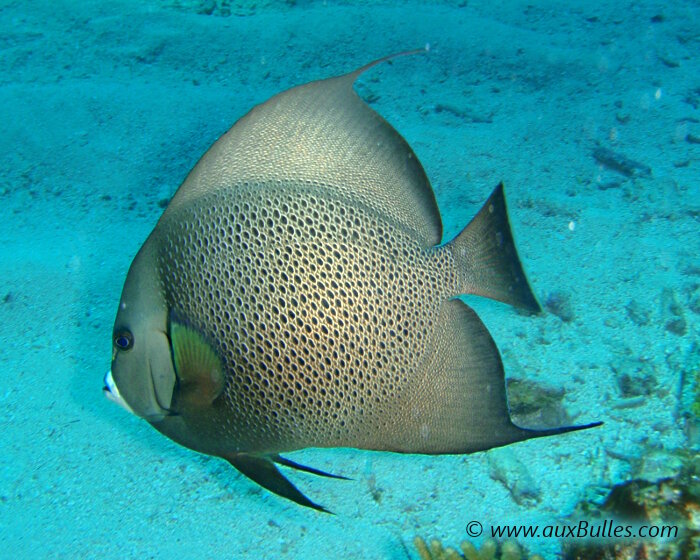
The gray angelfish is a fish whose morphology is similar to that of the French angelfish
The gray angelfish has a flattened, disk-shaped body extended by a single continuous dorsal fin and an anal fin, both ending in a very pointed tip.
The gray angelfish is a majestic fish with coloration showing different shades of gray: its head is uniformly gray while its body is covered with dark gray scales bordered by lighter gray, forming a reticulated pattern. Its mouth is small and white. The inner surface of the pectoral fins is golden yellow. However, the gray angelfish displays this coloration only in adulthood. As a juvenile, it looks completely different. Juveniles are difficult to distinguish from French angelfish juveniles, as they have a black coloration crossed vertically by five yellow stripes.
Geographic range
The gray angelfish is found in tropical waters of the western Atlantic ocean, from
Florida in the north to the coast of Brazil in the south. The gray angelfish is also present in the Gulf of Mexico, and more occasionally in the Caribbean sea along the coasts of many islands of the Antilles such as the
Bahamas and
Guadeloupe.
Habitat
The gray angelfish lives in shallow coral reef waters from the surface down to about 65 feet deep, where it searches for food. At night, the reef provides shelter from predators.
The gray angelfish is not solitary and is rarely seen alone. It is most often observed swimming in pairs.
Diet
The gray angelfish feeds mainly on
sponges but also supplements its diet with algae and invertebrates such as gorgonian polyps.
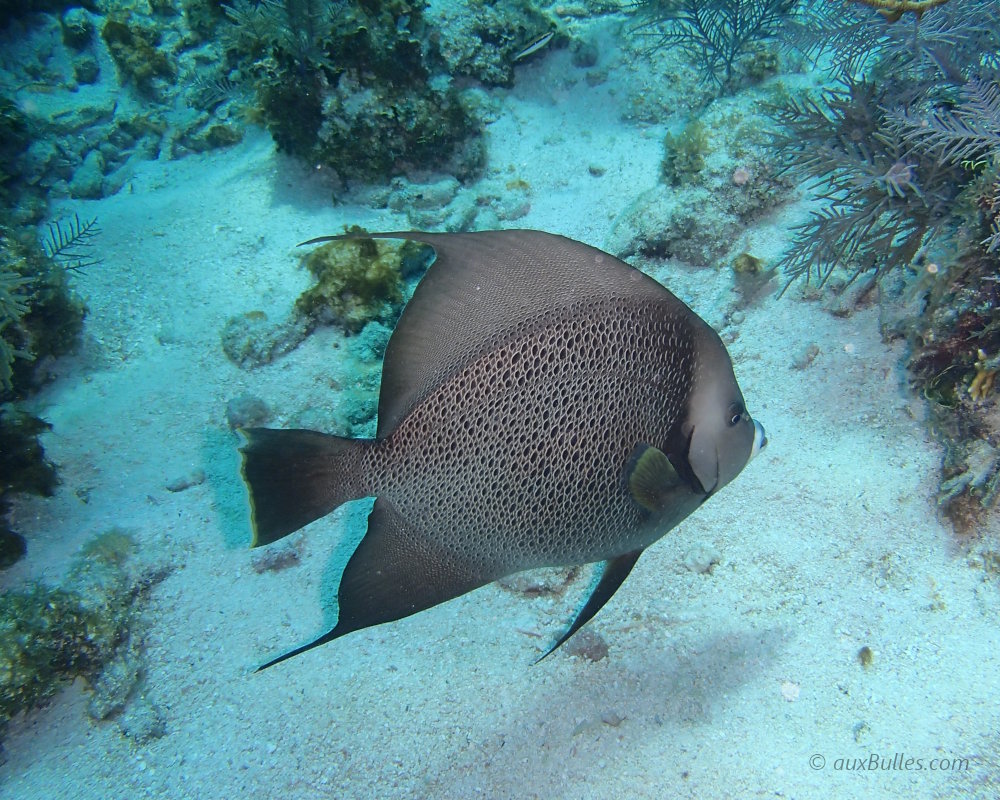
The gray angelfish is a majestic fish with a coloration featuring different shades of gray
At the juvenile stage, young gray angelfish feed on parasites and help clean other fish by removing unwanted hosts. They act as cleaning stations for various fish such as moray eels, snappers, wrasses, and sea robins.
Reproduction
The gray angelfish is
oviparous and reproduces sexually. The male and female perform a back-and-forth swimming movement between the surface and the bottom. Once reaching the bottom, they swim slowly then accelerate while staying close to each other so that the eggs released by the female can be fertilized by the male.
Did you know ?
The gray angelfish is listed as many other marine species within The
IUCN Red List of threatened species. The gray angelfish appears in the
IUCN Red List since 2010 within the category Least Concern !
Tips for observing
Not shy and sometimes curious like the
French angelfish, the gray angelfish can be approached if you move slowly and smoothly. You will most often observe gray angelfish in pairs.
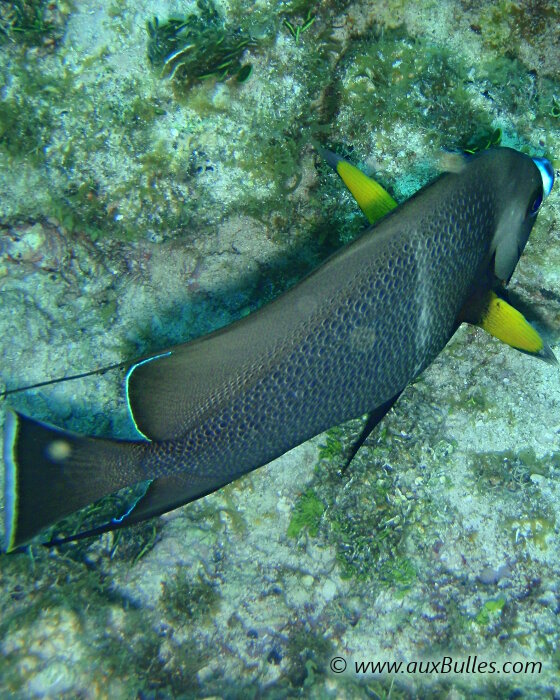
Note the yellow coloration on the inner surface of the pectoral fins of the gray angelfish
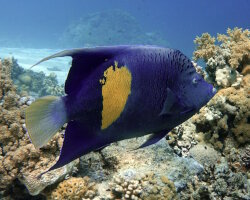
Arabian angelfish
(Pomacanthus asfur)
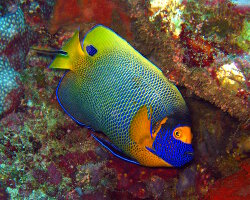
Blueface angelfish
(Pomacanthus xanthometopon)
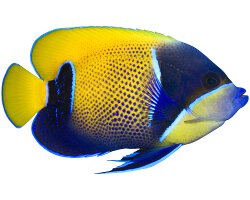
Bluegirdled angelfish
(Pomacanthus navarchus)
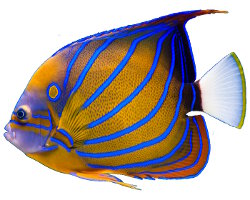
Bluering angelfish
(Pomacanthus annularis)
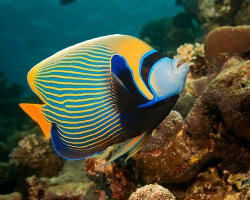
Emperor angelfish
(Pomacanthus imperator)
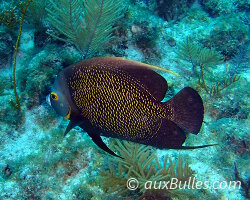
French angelfish
(Pomacanthus paru)
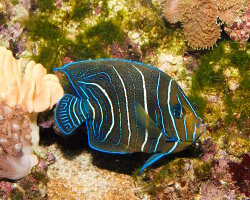
Semicircle angelfish
(Pomacanthus semicirculatus)
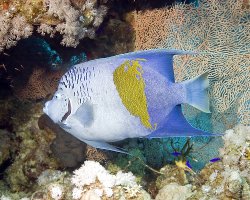
Yellow blotch angelfish
(Pomacanthus maculosus)
Within the same family
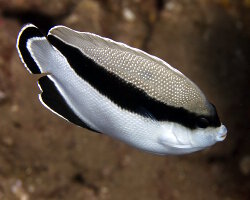
Banded angelfish
(Apolemichthys arcuatus)
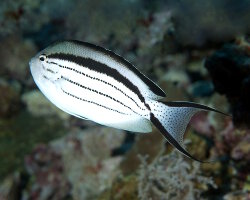
Blackstriped angelfish
(Genicanthus lamarck)
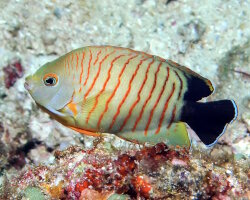
Blacktail angelfish
(Centropyge eibli)
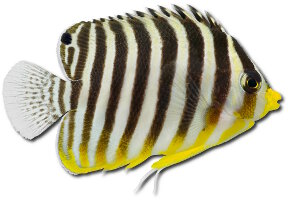
Multibarred angelfish
(Paracentropyge multifasciata)
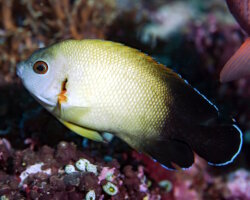
Pearl-scaled angelfish
(Centropyge vrolikii)
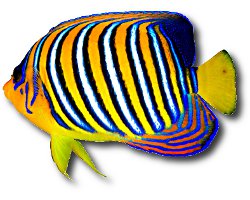
Royal angelfish
(Pygoplites diacanthus)
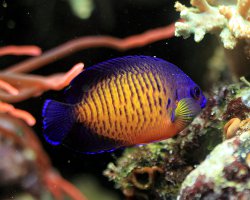
Two spined angelfish
(Centropyge bispinosa)
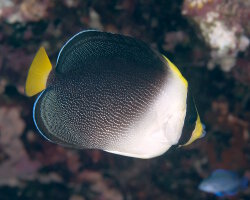
Vermiculated angelfish
(Chaetodontoplus mesoleucus)
Discover also
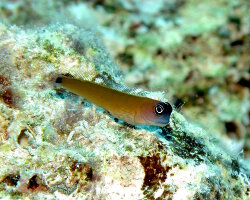
Aron's blenny
(Ecsenius aroni)
Big-belly seahorse
(Hippocampus abdominalis)
Cocoa damselfish
(Stegastes variabilis)
Damselfish
(Chromis chromis)
Hogfish
(Lachnolaimus maximus)
Sailfin blenny
(Emblemaria pandionis)
Scarlet soldierfish
(Myripristis pralinia)
Yellowmouth moray
(Gymnothorax nudivomer)
The marine species in the Caribbean
Blacknose shark
(Carcharhinus acronotus)
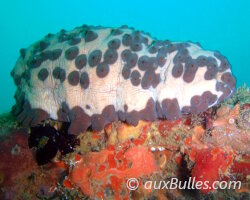
Chocolate chip sea cucumber
(Isostichopus badionotus)
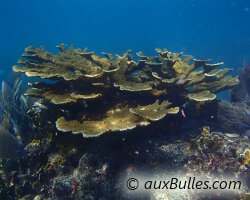
Elkhorn coral
(Acropora palmata)
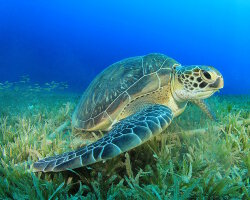
Green sea turtle
(Chelonia mydas)
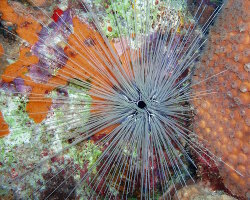
Long-spined sea urchin
(Diadema antillarum)
Longspined porcupinefish
(Diodon holocanthus)
Schoolmaster snapper
(Lutjanus apodus)
Smooth trunkfish
(Rhinesomus triqueter)
Dive centers
'Les Ilets' dive center
Noa dive center