

Islands destinationSantorini IslandCyclades | Aegean Sea
Last updated on 10/03/2026 at 12:13 AM
Santorini is one of the best-known islands in the Cyclades, in the southern Aegean Sea. Its spectacular landscape was shaped by a massive volcanic eruption that profoundly transformed the island and created its famous caldera. Whitewashed villages perched on the cliffs, blue domes, volcanic-sand beaches, and sweeping views of the Aegean Sea create an instantly recognizable setting.
Beyond this exceptional setting, Santorini has a remarkable archaeological heritage, particularly the site of Akrotiri, an ancient Minoan settlement buried beneath volcanic ash.
The southernmost of the Cyclades
An archipelago shaped by the volcano
Santorini is a Greek island located in the southern Aegean Sea. In fact, Santorini is not really a single island but an archipelago. This volcanic archipelago consists of several islands, including Thira, the main island, Thirassia, and Aspronissi.
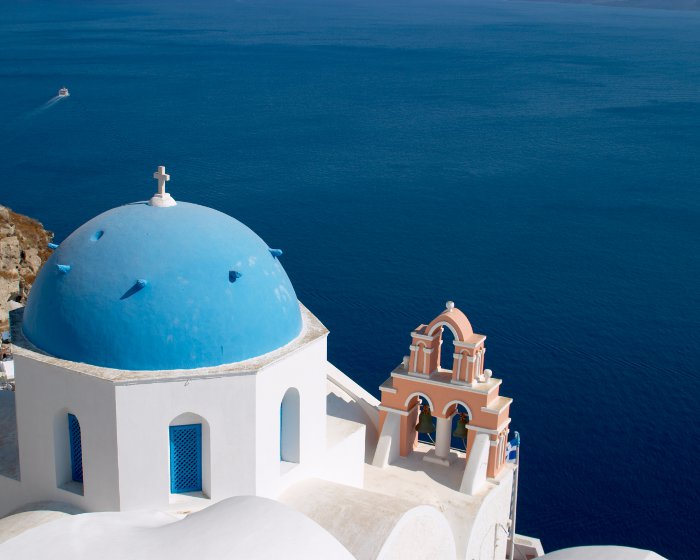
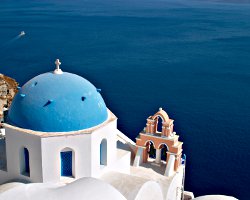
The whitewashed walls and blue domes of Santorini's villages stand out against the Aegean Sea in the background
These islands form a circle corresponding to the remains of the outline of the former volcano following its collapse. At its center, the Kameni Islands rise from the sea, including Nea Kameni, an island formed by the dome of the still-active volcano, and Palea Kameni.
Santorini belongs to the group of islands that make up the Cyclades and is the southernmost island in the archipelago.
The volcanic eruption around 1600 BC caused the magma chamber to empty and weakened the roof of the volcano. A nearly circular vertical fault suddenly spread around its perimeter, and under its own weight, the roof of the volcano collapsed into its center like a « piston sliding inside its chamber along its vertical walls »! The steep cliffs are a visible remnant of this collapse. The former crater gave way to a vast depression known as a caldera. Submerged by seawater, the caldera now forms a bay open to the sea and surrounded by impressive sheer cliffs.
Villages perched on the caldera
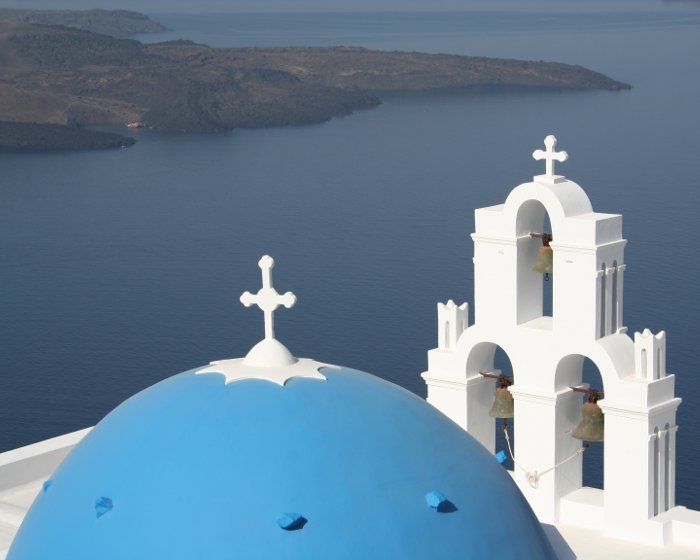
Santorini is characterized by villages with whitewashed houses and blue domes perched along steep cliff faces. The main villages on Thira include Oia, Pyrgos, and Perissa. The ancient city of Akrotiri is home to a famous archaeological site known for its impressive frescoes, which were preserved beneath volcanic ash and have survived to the present day.

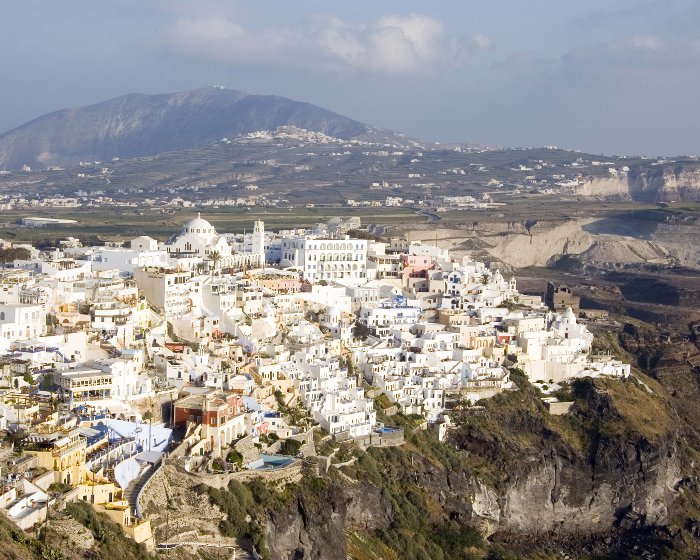
Impressive sheer cliffs rise around the caldera. At the top, the cliffside villages gleam brilliantly white
An island shaped by tourism
Limited natural resources
Agriculture is limited, with a few vineyards producing very low yields. Natural resources are primarily volcanic in origin and quite limited, with pumice stone being one of the main resources historically exploited. This activity was eventually suspended to help preserve the island.
In addition, Santorini has no natural source of fresh water apart from collecting rainwater. As a result, the island produces fresh water through seawater desalination.
Villages between the sea and the cliffs
With the charm of its brilliantly white villages accented with blue and perched atop dramatic cliffs, Santorini offers breathtaking views of the sea and spectacular sunsets ! The island has naturally turned toward tourism and welcomes many visitors every year.
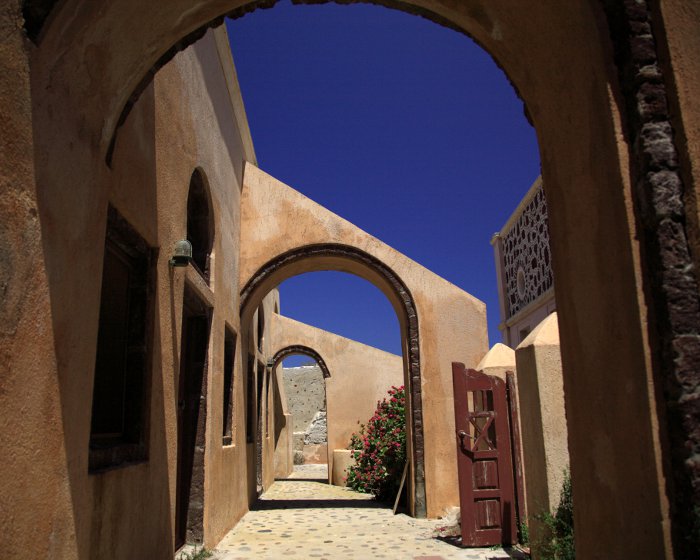
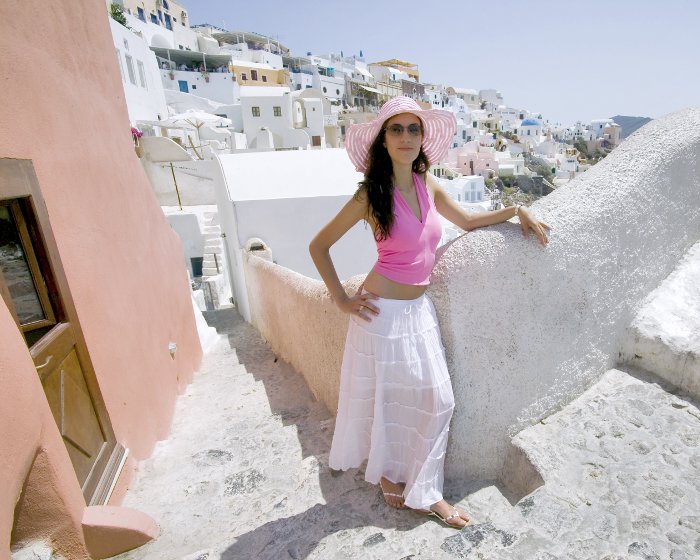
The villages can be reached from the caldera on foot or by donkey along winding, steep paths with seemingly endless stairs, or by cable car to Fira. The various villages are also connected by bus service.
Santorini is also a popular port of call for cruise ships sailing the Mediterranean, with stops in the caldera at the foot of the steep cliffs.
Santorini, the birthplace of Atlantis?
The myth of Atlantis
Plato's writings have generated endless debate about Atlantis, a civilization supposedly swallowed by a gigantic cataclysm ! Myth or reality ? Philosophers, geographers, and archaeologists have studied and continue to study the subject in an attempt to solve the mystery.
The eruption and the civilization of Akrotiri
Archaeological excavations at the site of Akrotiri, in southwestern Santorini, have revealed traces of an advanced civilization buried beneath the ash from the volcanic eruption. The gigantic cataclysm caused by the eruption could explain the disappearance of this civilization. In the eyes of some researchers, Santorini therefore appears to be a possible candidate !
However, research and theories surrounding Atlantis are far from settled, despite the many studies conducted, particularly around the Mediterranean. The mystery surrounding the Atlantis myth remains unsolved !
How to Get There
Santorini can be reached by sea from mainland Greece via the ports of Piraeus and Rafina, as well as from neighboring Cycladic islands and from Crete or Rhodes. Travel time by conventional ferry ranges from 5 to 7 hours, depending on the islands served, while high-speed ferries take approximately 3 to 5 hours.
There is also a small airport on the eastern side of Thira offering flights to and from Athens.
Cyclades islands
Cyclades islands

Milos island

Mykonos island
Paros island
The islands from aegean Sea
Donoussa island
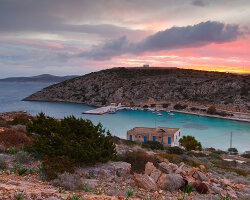
Iraklia island
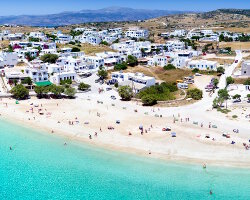
Koufonissi island
Explore new islands

Cayman Brac island
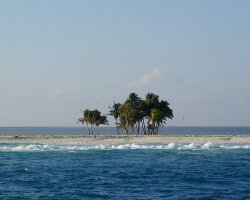
Clipperton island
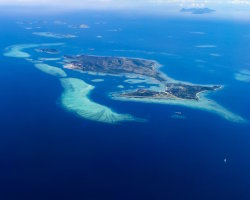
Fiji islands
Galapagos islands
Lokrum island
Long Island
Malpelo island
Santorini island
Our latestUpdates
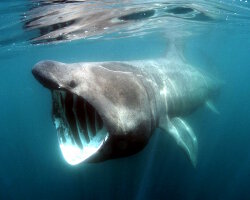
The basking sharkDiscover the basking shark (Cetorhinus maximus), the world's second-largest fish. This huge shark feeds on plankton by filtering large amounts of water.Read more
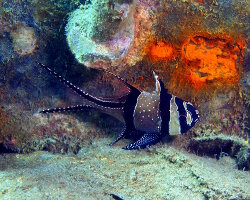
The Banggai cardinalfishDiscover the Banggai cardinalfish (Pterapogon kauderni), a small marine fish endemic to the Banggai Islands, known for its black-and-white stripes and unique reproductive behavior.Read more
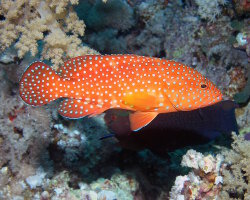
The coral hindDiscover the coral hind (Cephalopholis miniata), a colorful Indo-Pacific grouper known for its reddish-orange body covered with small blue spots.Read more
Photo of the Day
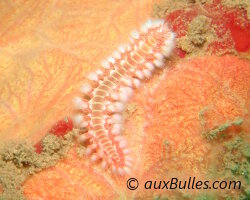
Ver de feu
(Hermodice carunculata)
(Hermodice carunculata)
 Copyright © 2007-2026 auxBulles.com - All rights reserved. Legal notices.
Photo credits - Our partners