Islands destinationLa Réunion islandIndian Ocean
Last updated on 09/07/2026 at 11:22 PM
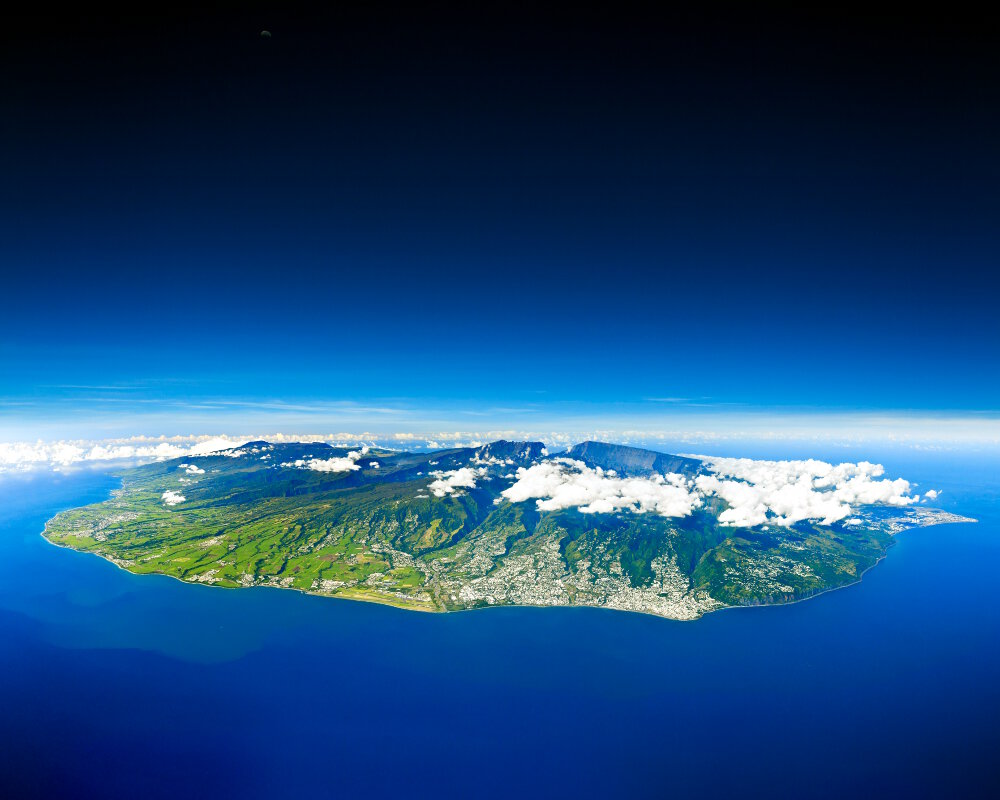
Réunion Island is a French island located in the Indian Ocean, southeast of Africa. It is part of the
Mascarenes archipelago and lies about 435 miles east of the island of Madagascar. At about 124 miles away, the
island of Mauritius, located to the northeast, is the closest landmass to Réunion Island.
Réunion Island covers an area of 970 sq mi, or about one-third the size of Corsica. Despite its relatively modest size, its mountainous terrain and winding roads make travel times longer than they might appear: it takes about 5 hours by car to drive around the island, not including stops or possible delays.
Between the ocean and the mountains
Over time, the forces of nature have shaped the island into a highly diverse mountainous landscape, with large inland cirques including Cilaos, Mafate, and Salazie, high-altitude plains, and rugged terrain carved by erosion from the island's main rivers.
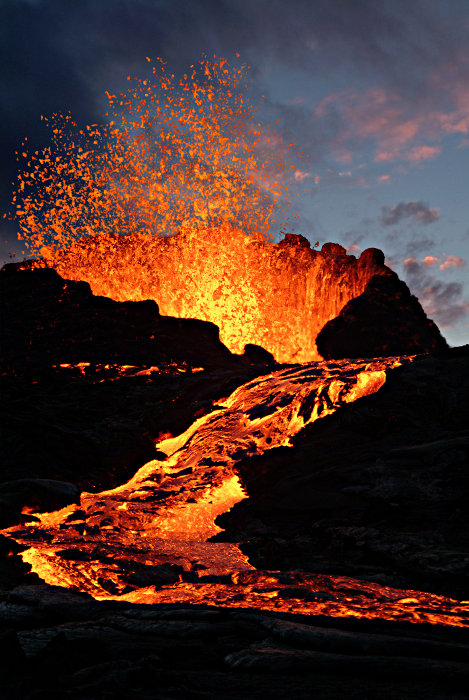
The Piton de la Fournaise offers a spectacular display of lava flows with every eruption
The highest point on Réunion Island rises to 10,072 feet above sea level at Piton des Neiges, a symbol of the island's significant volcanic activity in the past. Volcanic activity is still present today with Piton de la Fournaise, a younger and still-active volcano that erupts an average of twice a year. Piton de la Fournaise reaches an elevation of 8,635 feet. During each eruption, it offers a spectacular display of lava flows that sometimes reach the ocean, creating towering plumes of steam.
Along the coast, the shoreline stretches for 130 miles, consisting mainly of high cliffs and pebble beaches swept by waves. Sandy beaches, meanwhile, extend from the southern to the western part of the island, where a coral reef forms beautiful lagoons.
A diverse cultural identity
Long uninhabited and known to sailors, Réunion Island began to be colonized by the French in the 17th century. Populations from Madagascar and Africa, among other places, subsequently arrived as part of the slave society that developed around plantations. Following the abolition of slavery in 1848, indentured workers, primarily from India and China, came to settle on the island in turn. These successive waves of settlement gradually shaped a deeply multicultural society.
Today, this diversity can be seen in Réunion's culture, traditions, cuisine, languages, and religious practices. French is the official language, while Réunion Creole, which emerged from the blending of different populations, plays an important role in everyday life. In 2022, the island had a population of 881 348, according to Insee, with the population particularly concentrated along the coast and in the main urban areas, especially in Saint-Denis, the prefecture and most populous municipality on the island.
Exceptional flora
With its highly mountainous terrain forming natural ramparts, Réunion Island has a multitude of microclimates that support exceptionally rich plant life and vast lush forests. In 2007, Réunion National Park was established to protect the island's biodiversity.
The island's isolation and the diversity of its environments have favored the emergence of numerous endemic plant species found nowhere else in the world. Vegetation changes dramatically with elevation and exposure to winds and rainfall, from the tropical rainforests of the lowlands to the plant communities of the highlands. This unique flora nevertheless remains particularly vulnerable to invasive alien species, which today represent one of the main threats to Réunion's native and endemic plants.
The cirques and major hiking routes
Landscapes shaped by erosion
The three major cirques of Réunion Island, Mafate, Cilaos, and Salazie, offer some of the island's most spectacular landscapes. Surrounded by steep ramparts and deeply carved by erosion, each has its own distinctive character. Mafate, particularly isolated, can only be reached on foot or by air, while Cilaos and Salazie are accessible by mountain roads that provide access to their dramatic landscapes. These exceptional landforms are part of the “Pitons, Cirques and Ramparts of Réunion Island”, a UNESCO World Heritage Site since 2010.
A paradise for hikers
Réunion Island is a premier hiking destination, with trails crossing tropical forests, ridgelines, steep valleys, and volcanic landscapes. The trails provide access to the isolated villages of Mafate, the highlands of Cilaos, and the lush landscapes of Salazie, while also offering opportunities to discover numerous spectacular waterfalls, such as those at Trou de Fer, one of the most impressive waterfalls on the island. However, hiking in Réunion's mountains requires appropriate preparation: weather conditions can change rapidly at higher elevations, and some trails may be temporarily closed or subject to restrictions. Before any hike, it is therefore recommended to check access conditions and any regulations currently in effect.

Aerial view of Trou de Fer and its waterfall in the heart of Réunion Island's tropical rainforest
© Vladvitek | Dreamstime.comThe Diagonale des Fous, Réunion's legendary ultra-trail
A spectacular crossing of the island
The Diagonale des Fous is one of the signature races of the Grand Raid de La Réunion, an event that attracts runners from around the world every year. This ultra-trail race crosses the island from south to north, following some of its most spectacular landscapes, including tropical forests, cirques, mountain ridges, and volcanic trails. It provides an opportunity to discover, under particularly demanding conditions, much of the terrain for which Réunion Island is renowned.
A challenge in the heart of Réunion's landscapes
The Diagonale des Fous is above all an extraordinary athletic challenge reserved for highly experienced runners. For the 2026 edition, the course is announced at approximately 112 miles with nearly 33,465 feet of elevation gain, between Saint-Pierre and Saint-Denis. Beyond the athletic performance, this race perfectly illustrates the island's mountainous and wild character and contributes to its reputation as a leading destination for trail running and hiking. The Grand Raid takes place every October and also includes several other races suited to different levels of challenge.
The wild south and the Lava Route
A coast dominated by the volcano
Between Sainte-Rose and Saint-Philippe, Réunion Island's eastern and southern coast reveals a landscape strongly shaped by the activity of Piton de la Fournaise. The famous Lava Route crosses the Grand Brûlé and provides an opportunity to observe the traces of numerous eruptions that have gradually extended the island toward the ocean. Solidified lava flows contrast with the tropical vegetation that is slowly reclaiming the volcanic terrain, giving this part of the island a wild atmosphere very different from the beach landscapes of the west coast.
From Sainte-Rose to Saint-Philippe
Exploring the Wild South can continue to Anse des Cascades, Pointe de la Table, and Grand Brûlé. Several viewpoints and trails provide access to this volcanic coastline while showcasing the forests and basalt landscapes that characterize it. The Lava Route is also a good way to understand Réunion's recent geological history: during some eruptions, lava flows reach the ocean and create new coastal landforms. The road itself has also had to be rerouted several times to accommodate these volcanic events.
Réunion's culture and flavors
An identity shaped by multiple cultures
Réunion's culture is the result of centuries of migration and cultural exchange among populations originating mainly from Europe, Madagascar, Africa, India, and China. This history can be seen in traditions, languages, religious practices, architecture, and everyday life. In the island's towns and villages, this cultural diversity has given rise to a particularly rich Creole identity, one of Réunion's defining characteristics.
A cuisine with many influences
Réunion's cuisine also reflects this cultural blend. Cari, prepared with meat, fish, or vegetables and generally served with rice, beans, and rougail, occupies a central place in local cuisine. Other specialties such as bouchons, samosas, and certain dishes made with chayote reflect the Asian, Malagasy, and Indian influences found on the island. Vanilla, sugar cane, and tropical fruits also contribute to Réunion's culinary identity.
How to get there ?
By air from mainland France
Réunion Island is primarily accessible by air, with regular flights from mainland France. Réunion Roland Garros Airport, located in Sainte-Marie in the northern part of the island, is the main air gateway. Direct flights connect Réunion in particular with Paris-Orly and Paris-Charles de Gaulle, with a flight time of about 11 hours. Several airlines operate these routes, including Air France, Air Austral, Corsair, and French Bee.
From other Indian Ocean islands
Réunion Island is also connected to several destinations in the Indian Ocean, making it easy to combine a stay with Mauritius, Madagascar, the Seychelles, and other regional destinations depending on available connections. Direct flights are available in particular to Mauritius, Madagascar, Mayotte, and Johannesburg, as well as other international destinations. Since schedules and frequencies vary depending on the season and airline, it is advisable to check available connections when planning your trip.
Réunion Island in numbers
- Area: 970 sq mi
- Population: 881 348 inhabitants in 2022, half of whom live along the coast
Practical information
- Prefecture: Saint-Denis
- Airport: Roland Garros Airport, located in Sainte-Marie in northern Réunion, near Saint-Denis
- Currency: Euros
- Time difference: GMT+4 time zone, or +3 hours (winter) / +2 hours (summer)
- Official website: Réunion Island Regional Tourism Committee
The marine species in La Réunion
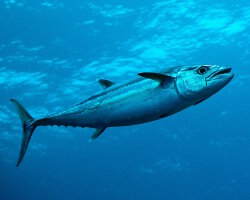
Dogtooth tuna
(Gymnosarda unicolor)
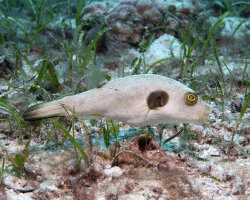
Immaculate pufferfish
(Arothron immaculatus)
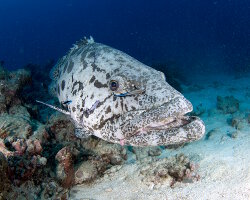
Potato grouper
(Epinephelus tukula)
The islands from indian ocean
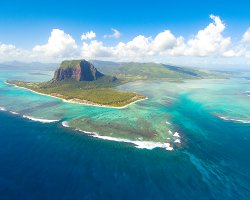
Mauritius island
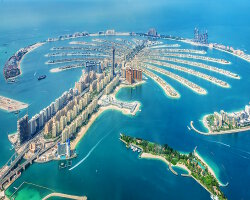
Palm Jumeirah island
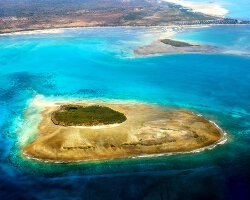
Quirimbas islands
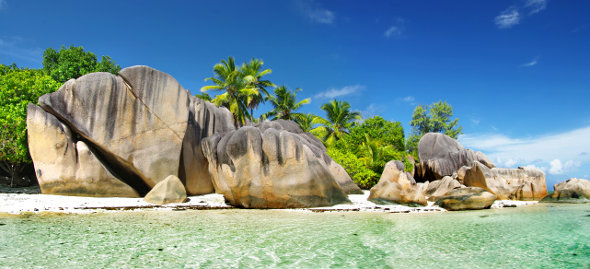
Seychelles islands
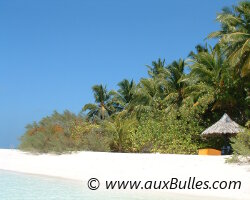
The Maldives
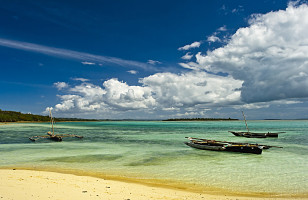
Zanzibar archipelago
The islands from indian Ocean
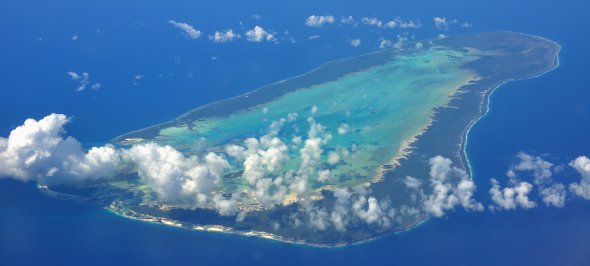
Aldabra atoll
Cocos island (Seychelles)
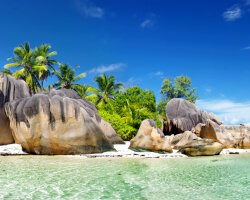
La Digue island
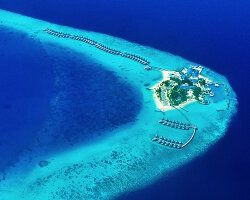
Giraavaru island
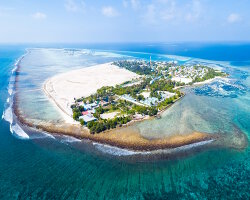
Himmafushi island
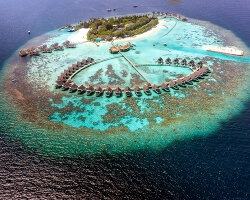
Machchafushi island
Madhiriguraidhoo island
Mahé island
Explore new islands
Cocos island
Dry Tortugas islands
Ibo island
Iraklia island
Japan islands
Key Largo island
Marshall islands
Motuarohia island




 Copyright © 2007-2026 auxBulles.com - All rights reserved. Legal notices.