

Islands destinationCayman Brac IslandCayman Islands | Caribbean Sea
Last updated on 08/31/2026 at 11:55 PM
Cayman Brac island is one of the three islands that make up the Cayman Islands archipelago, located in the Caribbean Sea. This island is known for its picturesque landscapes, impressive cliffs and peaceful atmosphere.
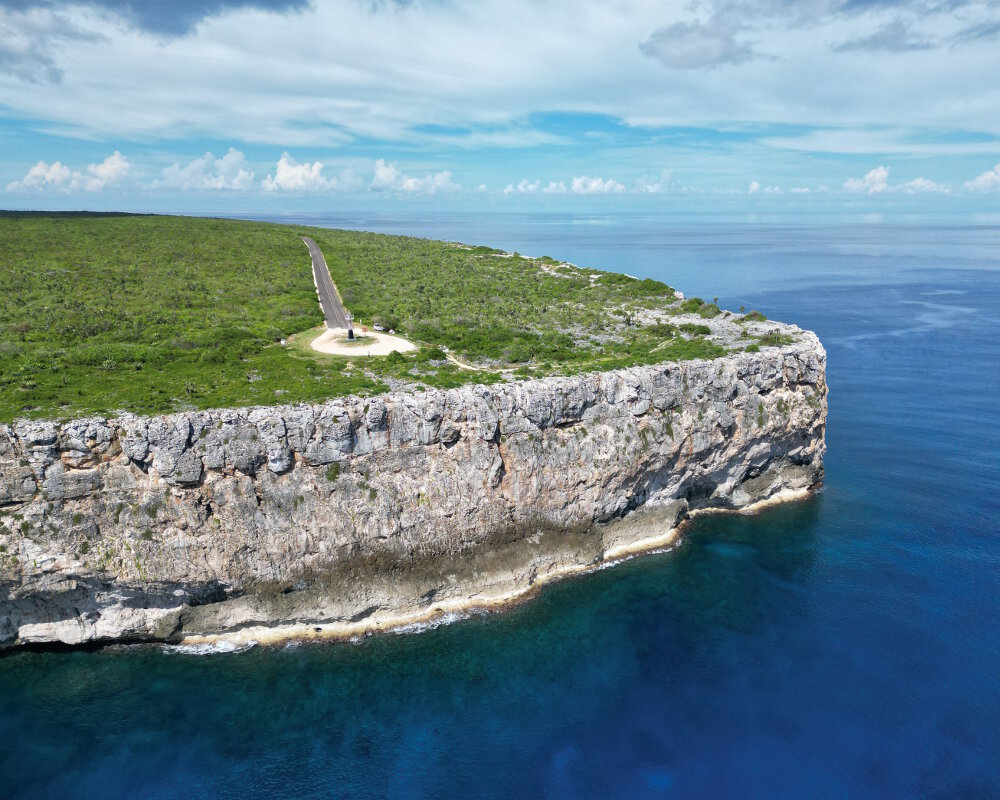
The island of Cayman Brac with its impressive limestone cliffs © Thedelvitcom | Dreamstime.com
The name of the island, « Brac », comes from Scottish Gaelic and means « cliff », referring to the island's towering limestone cliffs on its eastern coast that rise out of the Caribbean sea.
These cliffs can reach heights of up to 141 feet and offer spectacular views of the Caribbean Sea. The rugged terrain of Cayman Brac contrasts sharply with the much flatter landscapes of Grand Cayman and Little Cayman, the archipelago's two other islands. Together with Little Cayman, Cayman Brac forms what are known as the Sister Islands.
A maritime past
Historically, Cayman Brac island served as a refuge for sailors and pirates. Today, the local population mainly consists of descendants of sailors and fishermen. The island's culture is deeply rooted in its maritime heritage with annual festivals celebrating the sea and local traditions.
The economy of Cayman Brac island relies primarily on tourism, fishing and some agricultural activities. Unlike the Grand Cayman island, which is more urbanized and developed, Cayman Brac maintains a more authentic and rural atmosphere, unlike the hustle and bustle of larger cities.
Discovering the island
Cayman Brac island offers beautiful hiking trails, including those that lead to its many caves such as Peter's Cave and the popular Bat Cave.
Hiking across the island is also an opportunity to explore and observe the island's unique flora and fauna, especially the birds, with both endemic and migratory species passing through. Among the most notable birds are the peregrine falcon and several species of boobies that can be observed nesting in the cliffs.
Where to dive ?
Cayman Brac island is a paradise for scuba diving enthusiasts. The island is home to many renowned dive sites with healthy coral reefs and abundant marine life.
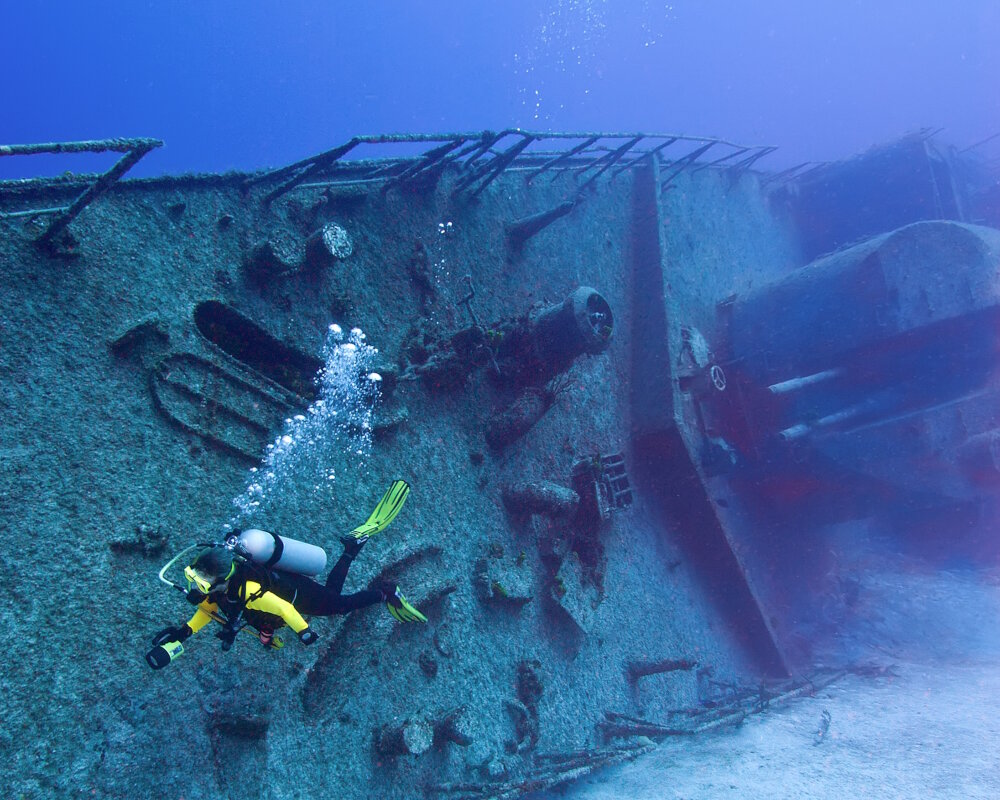
The wreck of the destroyer MV Captain Keith Tibbetts, sunk in 1996 at a depth of 80 feet to serve as an artificial reef © Durdenimages | Dreamstime.com
MV Captain Keith Tibbetts wreck
The wreck of the MV Captain Keith Tibbetts, a Soviet ship sunk in 1996 off the island's northern coast to serve as an artificial reef, is an iconic dive site on Cayman Brac. This 328-foot long destroyer rests at a depth of 79 feet.
Wilderness Wall
Wilderness Wall is an ideal spot for experienced divers looking for dramatic underwater terrain, vibrant corals and pelagic species.
How to get there ?
Cayman Brac is primarily accessible by air from Grand Cayman. The national airline, Cayman Airways, is currently the only airline serving the Sister Islands, Cayman Brac and Little Cayman, and operates several daily flights between Grand Cayman and Cayman Brac. The flight is particularly short, making a day trip from Grand Cayman a possible option as well.
To reach Grand Cayman, several airlines offer direct flights from the United States, Canada, and the United Kingdom. Once you arrive at Owen Roberts International Airport (GCM), the main international airport in the Cayman Islands, you can take a connecting flight to Charles Kirkconnell International Airport (CYB), located on Cayman Brac. On the island, a rental car or taxi makes it easy to reach the various tourist attractions.
Books
The marine species
Cayman islands

Grand Cayman island

Little Cayman island
The islands from caribbean Sea
Antigua island
Cuba island
Petite Terre island
Saint Barthélemy island

Saint Kitts island
Saint Martin island
St. Croix island

U.S. Virgin islands
Explore new islands
Clipperton island
Easter island
Frioul islands
Ibo island
Jamaica
Key Largo island
Korcula island
New-Zealand
Our latestUpdates
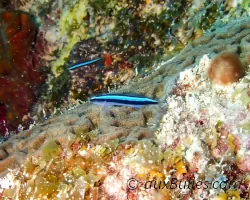
The neon gobyDiscover the neon goby (Elacatinus oceanops), a small western Atlantic reef fish known for its brilliant blue stripe and its role as a cleaner fish that removes parasites from other fish.Read more
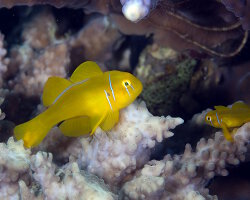
The poison gobyDiscover the poison goby (Gobiodon citrinus), a tiny reef fish with a bright yellow body and distinctive blue markings. It lives among branching Acropora corals in the tropical waters of the Indo-Pacific.Read more
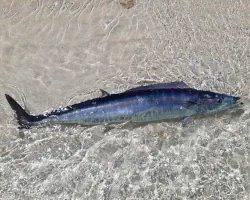
The wahooDiscover the wahoo (Acanthocybium solandri), a powerful pelagic predator found in tropical and subtropical oceans. Recognizable by its streamlined body and distinctive blue vertical stripes, it is a fast swimmer that feeds mainly on fish and squid.Read more
Photo of the Day

Fou à pieds rouges
(Sula sula)
(Sula sula)
 Copyright © 2007-2026 auxBulles.com - All rights reserved. Legal notices.
Photo credits - Our partners