

Travel guideDive into paradise, the Great Barrier Reef experienceAustralia
Last updated on 08/26/2026 at 10:27 PM
The Great Barrier Reef in Australia is the largest coral reef system in the world ! It has been listed as a UNESCO World Heritage Site since 1981 and is part of the exclusive club of the « 7 Wonders of the World » !
Exceptional diving experiences
With its 2,500 reefs, 900 islands ranging from simple sandbanks to large, rugged continental islands that rise over 3,600 feet above sea level and its incredible biodiversity, the Great Barrier Reef has become Australia's must-see destination for divers and travel enthusiasts alike !
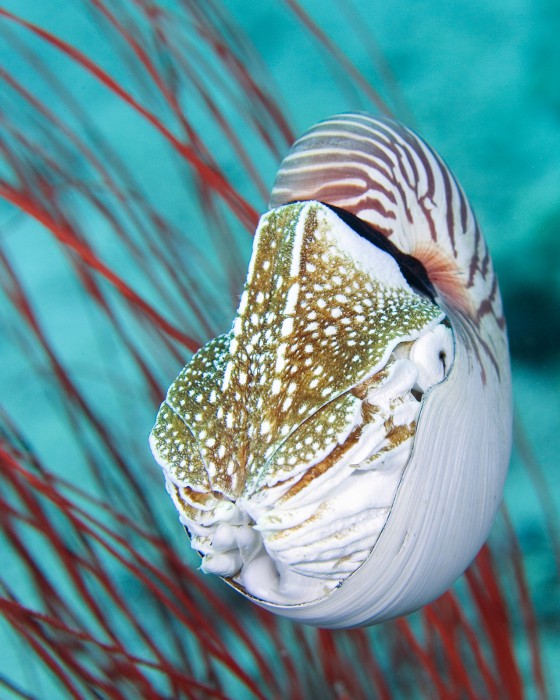
The Great Barrier Reef is home to a true living fossil, the nautilus, although spotting one is not easy ! © Carol Buchanan | Dreamstime.com
Fins on your feet, mask on your face and snorkel in your mouth for some, or regulator for others, you can witness the full richness and sometimes threatened biodiversity hiding beneath the water's surface !
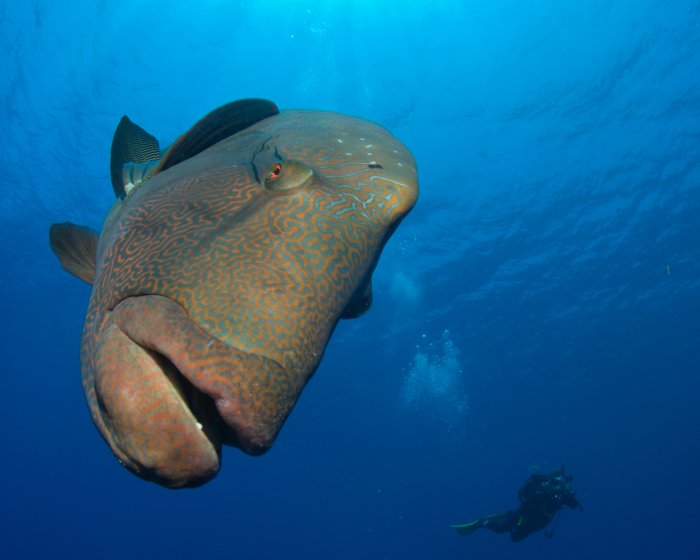
Unlike the nautilus, you have every chance of coming face-to-face with a Napoleon wrasse!
It's hard to list all the species since the inventory is overwhelming. The Great Barrier Reef is home to:
- over 1,500 species of tropical fish, including the iconic Napoleon wrasse
- more than 400 species of coral
- 4,000 species of mollusks
- over 200 species of sea birds
- around 20 species of reptiles, including 6 of the 7 existing sea turtle species worldwide
- a true living fossil, the nautilus
- exceptional marine mammals such as dugongs, whales and dolphins
- a great diversity of sponges, sea anemones, marine worms, crustaceans and many more.
Beauty above and below the water
The Whitsunday islands archipelago offers a stunning landscape of lush green islands with abundant vegetation and spectacular beaches, contrasting with the vast mangrove forests of the Hinchinbrook Channel and the steep, verdant mountains of Hinchinbrook island, whose ravines covered in tropical forests often hide behind the clouds.
Wildlife is everywhere, on land with the cays hosting breeding colonies of seabirds and turtles: Raine island, in fact, is the largest green turtle nesting area on the planet !
But of course, the highlight takes place beneath the water's surface, where divers can admire assemblies of hard and soft corals and thousands of reef fish species, creating a breathtakingly colorful spectacle.
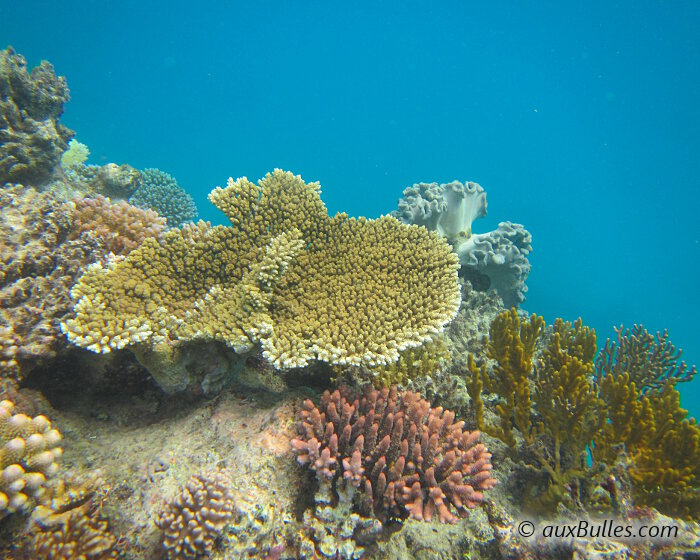
The Great Barrier Reef in Australia offers the most spectacular underwater experience !
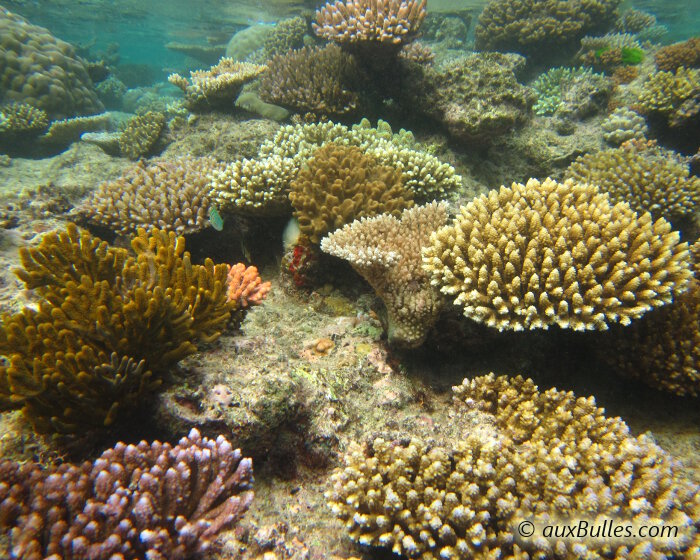
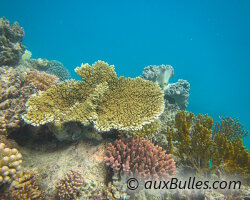
The Great Barrier Reef is home to over 400 species of coral !
The « Cod Hole » site near Lizard island is one of the many tourist attractions where you can marvel at the annual coral spawning and encounter whales during their migration or sea turtles during their nesting season.
Where to dive?
There are several ways to explore the underwater kingdom of the Great Barrier Reef, nicknamed the « Reef » by our English-speaking friends ! The Reef has many entry points, from north to south, including:
Port Douglas
About an hour's drive north of Cairns, Port Douglas is a charming small coastal town with its vast sandy beach. It serves as the departure point for dive boats heading to numerous sites in the northern part of the Reef.
Cairns
Cairns is arguably the ideal base, offering excellent facilities for those planning a packed diving schedule ! It's also the perfect place for beginners to try scuba diving.
Townsville
South of Cairns, Townsville is Australia's largest tropical city, rich in museums and home to an amazing aquarium. It is located near the central part of the Reef. Liveaboard dive trips are available from here.
Whitsundays
The Whitsunday islands, with their turquoise waters, coral gardens and palm-fringed beaches, offer excellent day-trip excursions from the town of Airlie Beach.
Southern Reef islands
The remote islands at the southern end of the Great Barrier Reef provide outstanding diving and snorkeling sites.
The marine species in Australia
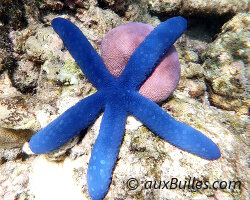
Blue sea star
(Linckia laevigata)
(Linckia laevigata)
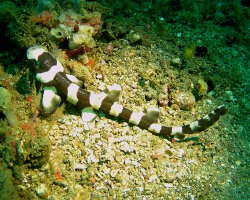
Brownbanded bamboo shark
(Chiloscyllium punctatum)
(Chiloscyllium punctatum)
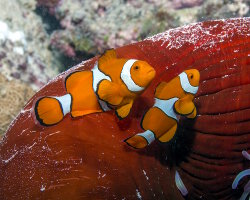
Eastern clown anemonefish
(Amphiprion percula)
(Amphiprion percula)
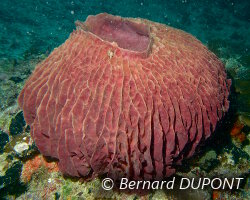
Giant barrel sponge
(Xestospongia testudinaria)
(Xestospongia testudinaria)
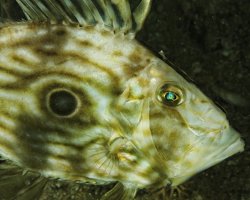
John dory
(Zeus faber)
(Zeus faber)

Lemonpeel angelfish
(Centropyge flavissima)
(Centropyge flavissima)
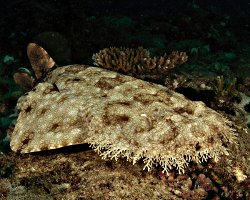
Tasselled wobbegong
(Eucrossorhinus dasypogon)
(Eucrossorhinus dasypogon)
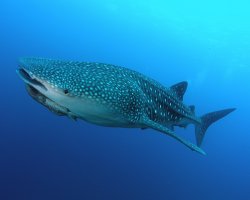
Whale shark
(Rhincodon typus)
(Rhincodon typus)
Top places to visit in Australia
Dive into paradise, the Great Barrier Reef experience
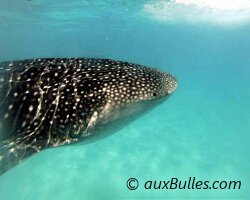
Swim with whale sharks at Ningaloo Reef
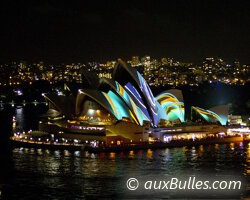
The Sydney Opera House
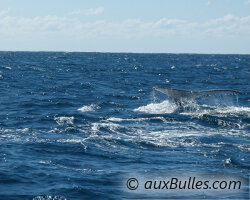
Where to see whales ?
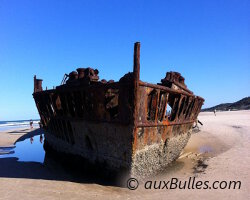
Wreck diving in Australia
Places to visit around the world
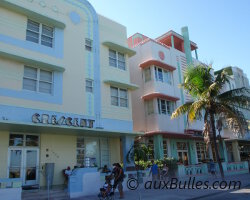
The Art Deco district

Batz island
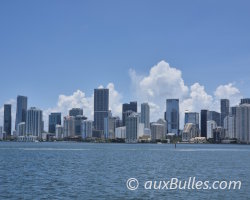
Biscayne Bay
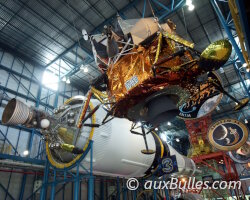
Cape Canaveral, where rockets meet the sea
Filicudi island
La Gomera island
Houat island
Lanzarote island
Our latestUpdates
The basking sharkDiscover the basking shark (Cetorhinus maximus), the world's second-largest fish. This huge shark feeds on plankton by filtering large amounts of water.Read more
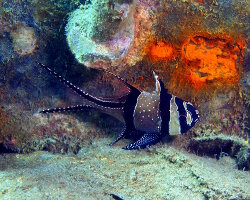
The Banggai cardinalfishDiscover the Banggai cardinalfish (Pterapogon kauderni), a small marine fish endemic to the Banggai Islands, known for its black-and-white stripes and unique reproductive behavior.Read more
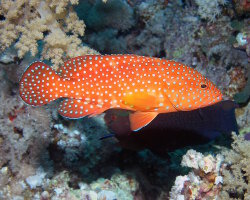
The coral hindDiscover the coral hind (Cephalopholis miniata), a colorful Indo-Pacific grouper known for its reddish-orange body covered with small blue spots.Read more
Photo of the Day
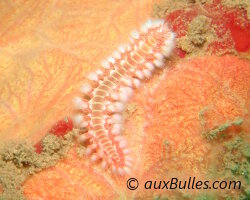
Ver de feu
(Hermodice carunculata)
(Hermodice carunculata)
 Copyright © 2007-2026 auxBulles.com - All rights reserved. Legal notices.
Photo credits - Our partners