

Sealife guideThe tiger snake eelMyrichthys maculosus
Last updated on 09/25/2025 at 11:32 PM
Taxonomy
English names
Tiger snake eelSpotted snake eelOcellated snake eel
French namesSerpentine maculée
Scientific nameMyrichthys maculosus (Cuvier, 1816)
FamilyOphichthidae
OrderAnguilliformes
ClassActinopterygii
Description
The tiger snake eel is elongated, slender and elegant. Its body is covered with brown to black spots on a creamy to slightly yellowish background. Its flexible, serpentine body allows it to slip easily through coral reefs to hunt or hide from predators while its spotted body provides perfect camouflage among corals and rocks.
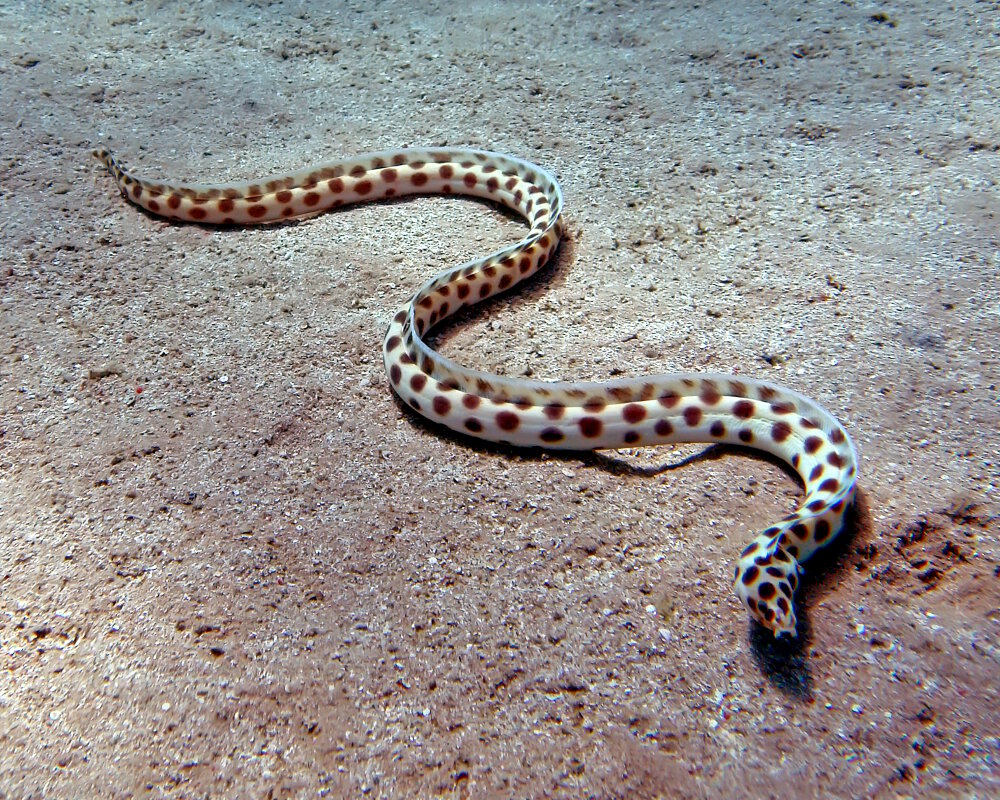
The tiger snake eel (Myrichthys maculosus) © Mikhail Tischenko | Dreamstime.com
The tiger snake eel can reach up to 3.3 feet in length.
Geographic range
The tiger snake eel inhabits tropical and subtropical waters of the Indian ocean, around the Seychelles, Madagascar and the east coast of Africa, as well as the tropical Pacific, including the Philippines, Indonesia and Micronesia. It is also found in the Red sea.
Habitat
The tiger snake eel is found in shallow waters, usually up to 98 feet deep. It prefers coral reefs, lagoons and sandy areas bordering the corals, where it can hide during the day and emerge at night to hunt.
The tiger snake eel is discreet and shy, often hiding in crevices or holes in the coral during the day.
Diet
The tiger snake eel is nocturnal, meaning it primarily hunts at night. Its diet consists of small fish and crustaceans, which it captures by slipping into reef crevices. Its jaw is strong, but it does not attack humans unless threatened.
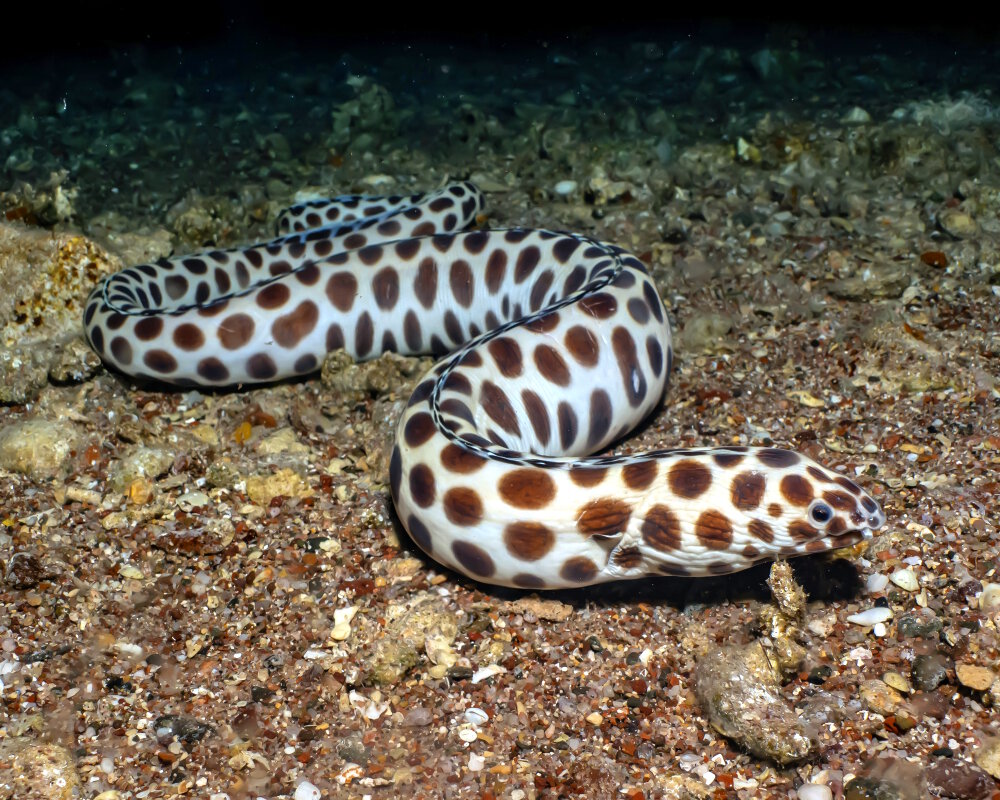
The tiger snake eel (Myrichthys maculosus) © Yeshaya Dinerstein | Dreamstime.com
It plays an important role in reef ecosystems by regulating small fish populations and helping maintain local biodiversity.
Reproduction
The reproduction of the tiger snake eel is still poorly documented, but like most moray eels, it lays eggs in protected reef areas. The young eels are often transparent at birth, allowing them to blend into the plankton before settling on the reefs.
Did you know ?
Like many morays, the tiger snake eel can survive for long periods in very tight spaces thanks to its ability to bend and undulate its body.
The tiger snake eel is listed as many other marine species within The IUCN Red List of threatened species. The tiger snake eel appears in the IUCN Red List since 2022 within the category Least Concern !
Tips for observing
Despite its intimidating appearance, the tiger snake eel is harmless to humans if left undisturbed.
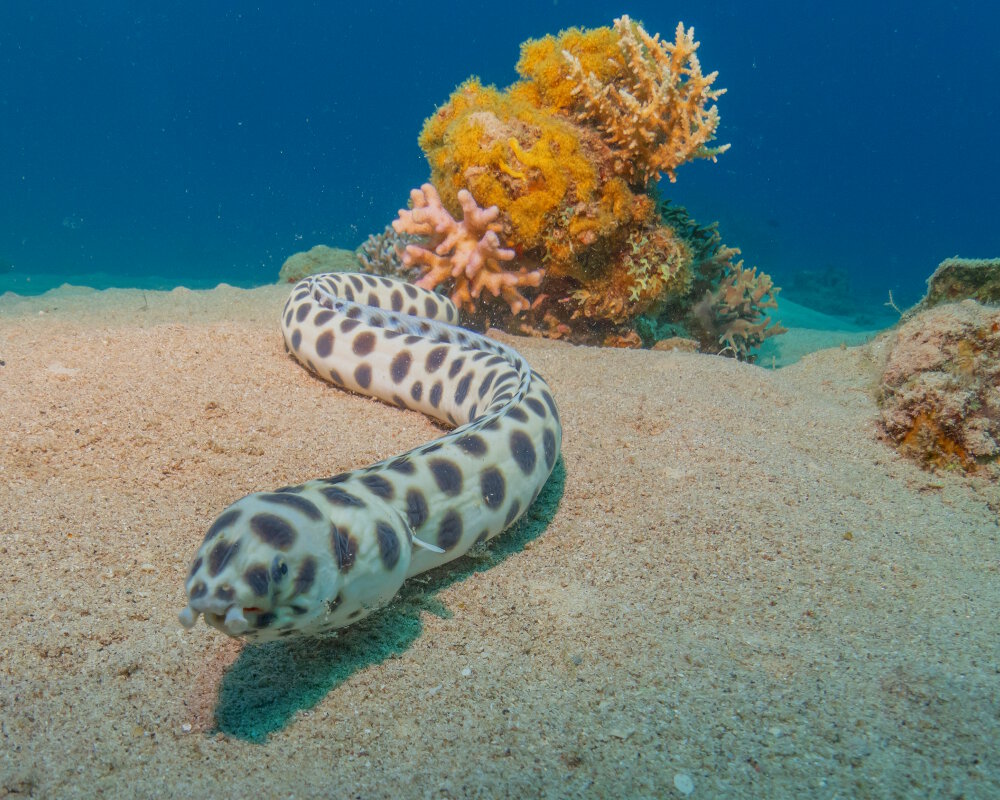
The tiger snake eel (Myrichthys maculosus) © Yeshaya Dinerstein | Dreamstime.com
Within the same genus
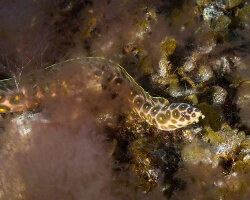
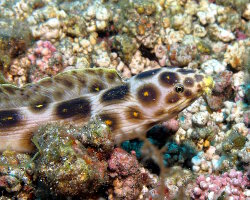

Within the same family
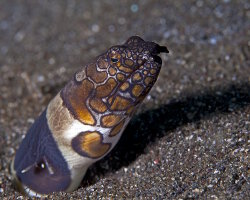
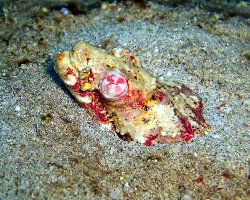
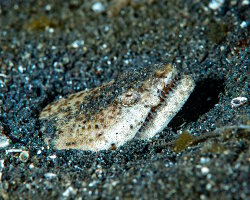
Discover also
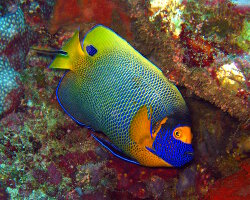
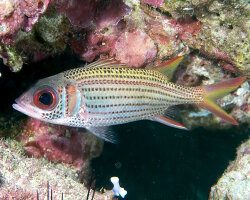

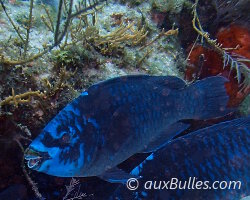
Our latestUpdates
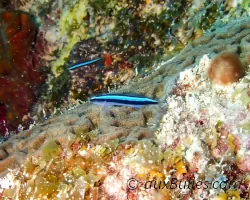
The neon gobyDiscover the neon goby (Elacatinus oceanops), a small western Atlantic reef fish known for its brilliant blue stripe and its role as a cleaner fish that removes parasites from other fish.Read more
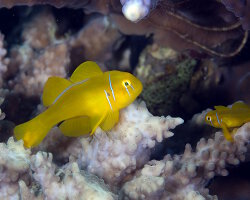
The poison gobyDiscover the poison goby (Gobiodon citrinus), a tiny reef fish with a bright yellow body and distinctive blue markings. It lives among branching Acropora corals in the tropical waters of the Indo-Pacific.Read more
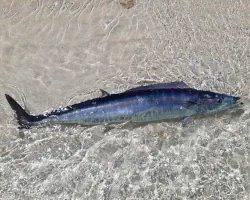
The wahooDiscover the wahoo (Acanthocybium solandri), a powerful pelagic predator found in tropical and subtropical oceans. Recognizable by its streamlined body and distinctive blue vertical stripes, it is a fast swimmer that feeds mainly on fish and squid.Read more
Photo of the Day

Fou à pieds rouges
(Sula sula)
(Sula sula)
 Copyright © 2007-2026 auxBulles.com - All rights reserved. Legal notices.
Photo credits - Our partners